Dissecting the Trek Madone 8th Generation All-Round Road Bike: What's Behind the Increased Speed and Reduced Weight? Is This Update Related to the UCI?
Posted by Jollymap - 2025-01-02T00:00:00.000+08:00 - 2025 Road Bike recommedation

Exploring the All-Round Road Bike: The Charm of Trek's 8th Generation Madone
As everyone knows, road bikes are mainly divided into three categories: aero, climbing, and time trial, each designed for specific types of races. However, in recent years, race routes have become increasingly varied, often combining flat sections with climbs. For example, while the third stage of this year's Tour de France is flat, it features three fourth-category climbs, and the thirteenth stage is a constantly undulating route with several flat sections interspersed.
Additionally, with the UCI's strict weight limit (6.8 kg), manufacturers have realized that advancements in technology now allow them to produce frames with excellent aerodynamic performance while maintaining the same weight. As a result, the demand for all-rounder frames that excel in both climbing and aerodynamic performance is on the rise.

Introducing Trek's 8th Generation Madone: A Standout Performer
Today, I want to introduce you to Trek's 8th generation Madone, a true standout in its category. I can describe the new frame as a "burning the boats" approach, as it is not just an upgrade from the previous generation but a fusion of the two existing series—Madone and Emonda. Although the new generation still carries the Madone name, it is actually a completely new frame design.
Trek claims that the new Madone is 77 seconds faster on flat roads compared to the Emonda and is 320 grams lighter than the previous Madone. So how did Trek achieve these improvements? In this episode, I will provide a detailed analysis, so if you're curious, be sure not to miss it—make sure to watch until the end!


The All-Round Design of Trek Madone: Perfect Fusion of Aerodynamics and Climbing
Trek's Madone has traditionally been an all-rounder frame, but with the introduction of the Emonda, frame designs began to diverge into those focused on climbing and aerodynamics, allowing for optimized aerodynamic performance.

However, with advancements in technology and changing race demands, the design philosophy has returned to all-rounder frames, leading to the Emonda taking a back seat. In the past, achieving aerodynamic performance typically required larger tube profiles, similar to the wings on F1 race cars. However, as technology has evolved, manufacturers have invested more resources into wind tunnel testing, gradually breaking this limitation.
Trek has utilized a technology called Computational Fluid Dynamics (CFD), which uses computer algorithms to simulate aerodynamic drag, significantly enhancing the efficiency of design. Specifically, in the past, Trek employed a 3:1 golden ratio (Kammtail) when designing aerodynamic frames, resulting in very effective designs.

However, Trek discovered that if the design exceeds this ratio, the effectiveness would significantly diminish. Using CFD, Trek comprehensively examined the frame design while considering the rider's integration, a concept referred to as "Full System Foil." This is because the airflow over the front of the bike affects the aerodynamic drag patterns behind it, and the rider's movements while pedaling also play a crucial role in influencing airflow.
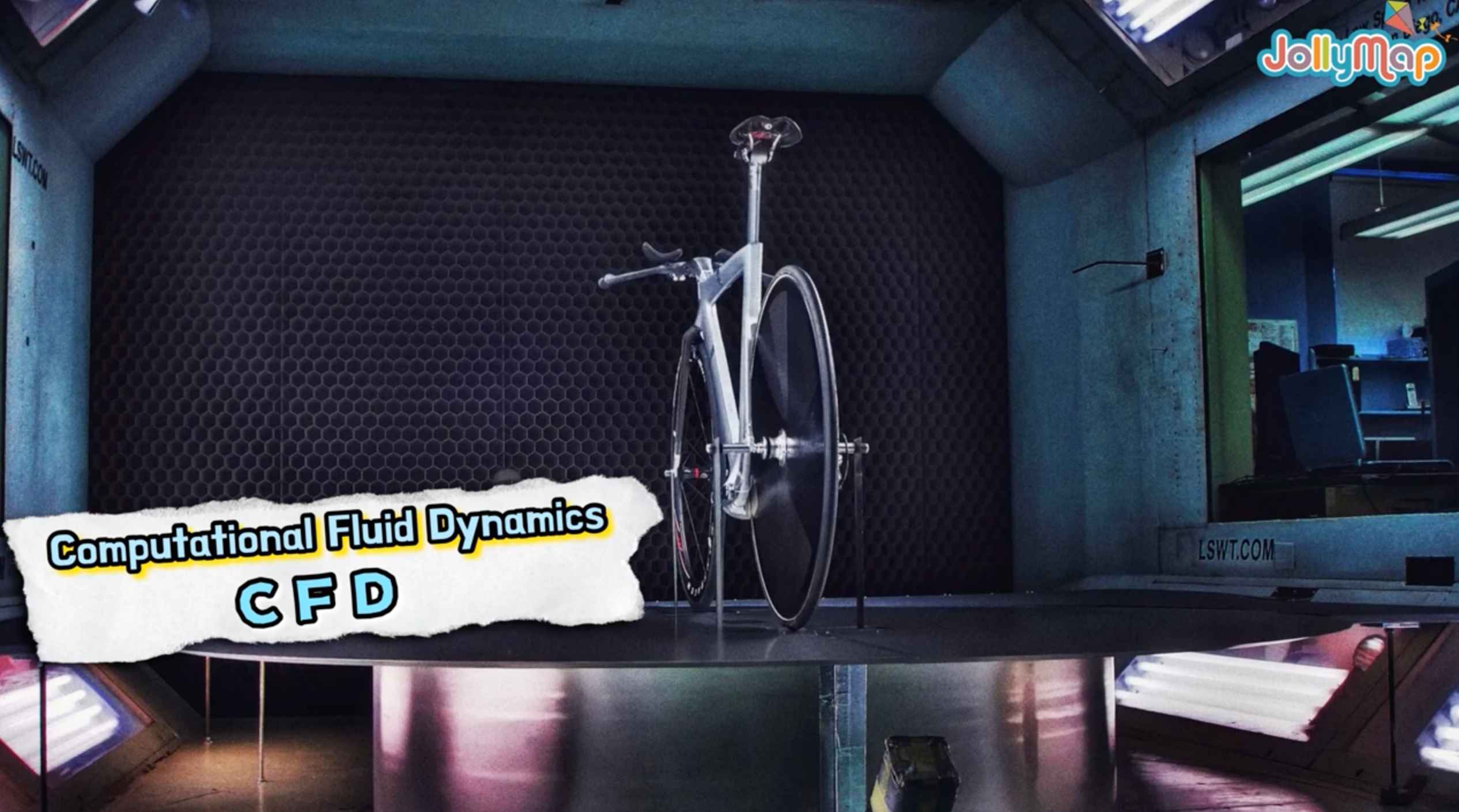
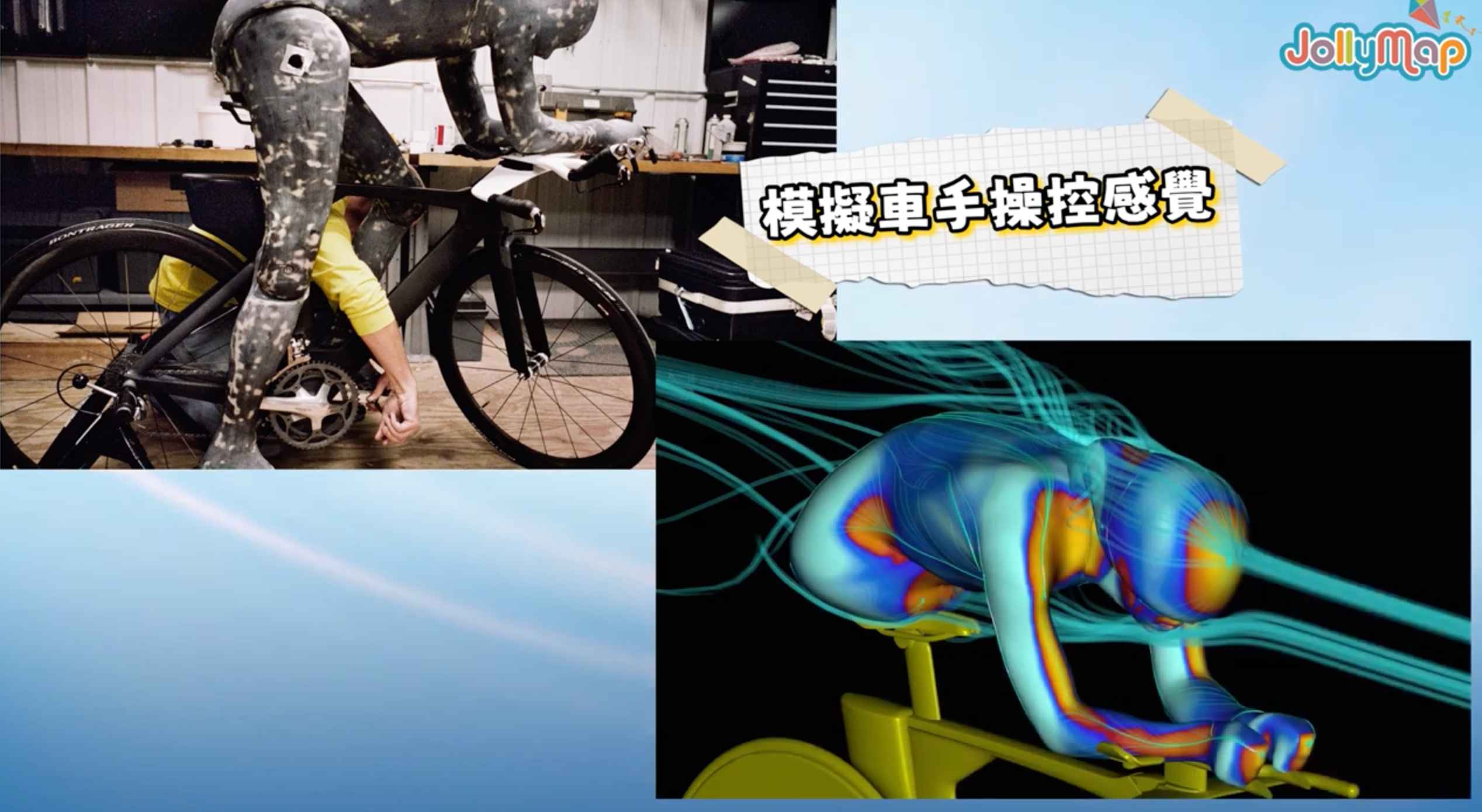

Through this technology, Trek discovered that the down tube does not need to be designed as robustly, since the airflow around the front wheel has already reduced drag. Trek applied the same logic to optimize different parts of the frame, aiming to adjust tube shapes for optimal aerodynamic performance. This design not only enhances frame performance but also responds to the modern racing demand for all-rounder frames.
The Revolutionary Aerodynamic Design of the Madone: Bottles and Handlebars
In the new generation of the Madone, Trek has implemented the "Full System Foil" design philosophy, which is also reflected in the specially designed aerodynamic water bottles and bottle cages. Trek claims that at a speed of 35 km/h, this design can save 1.8 watts of energy.

Moreover, the shape of the SLR integrated handlebars was designed with airflow in mind, effectively reducing drag on the thighs. This thoughtful design contributes to the overall aerodynamic performance, making the Madone even more efficient for riders during high-speed rides.

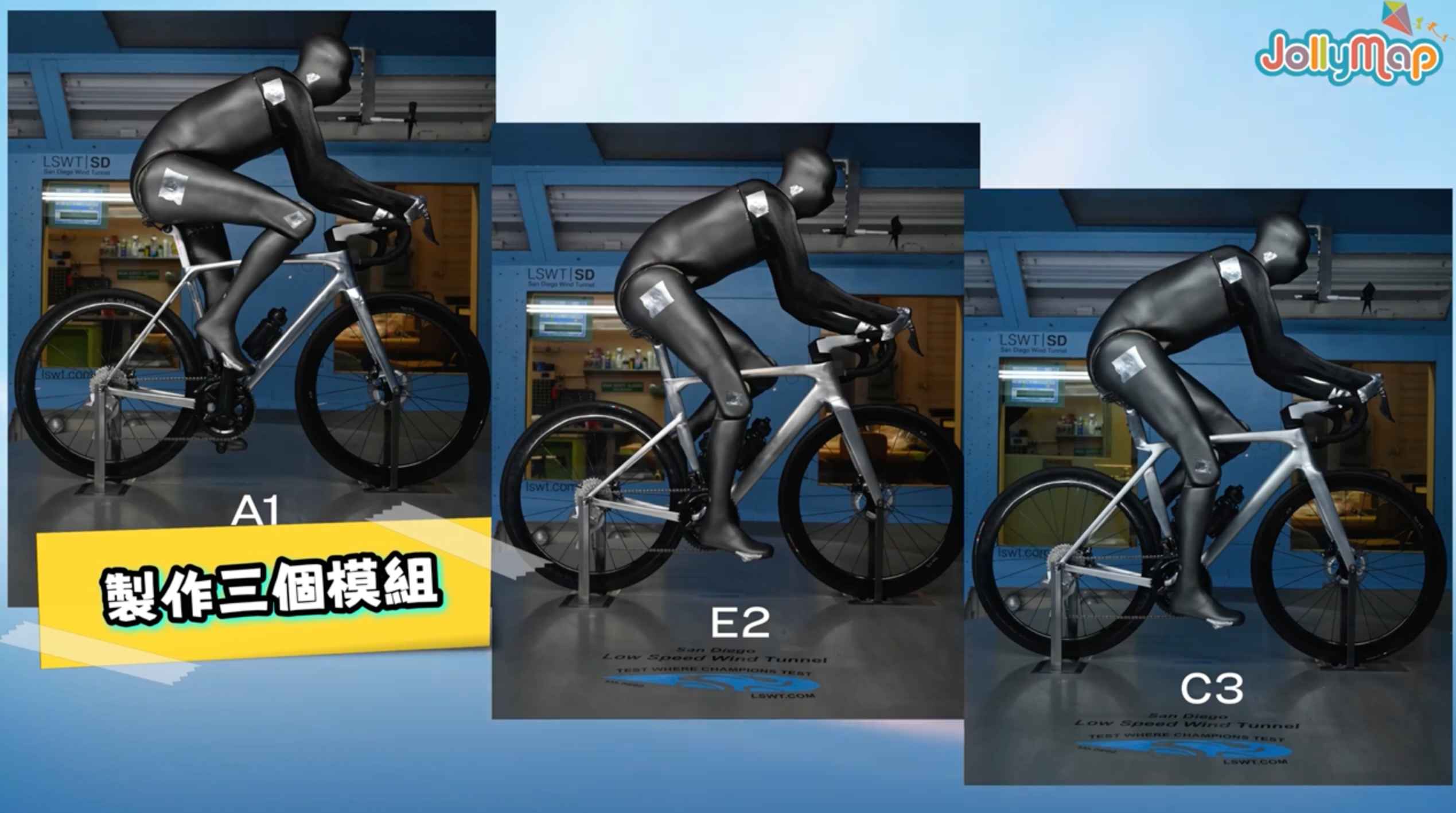
After a round of computer-simulated designs, Trek created three prototypes and tested them in a wind tunnel to ensure the effectiveness of the design. Ultimately, the new Madone not only outperformed the previous generation but also proved to be more competitive in speed compared to the Emonda. This innovative design not only enhances riding efficiency but also provides riders with a significant advantage in race performance.
Lightweight Technology of the Trek Madone: Advantages of OCLV Carbon Fiber
When discussing lightweight design, it's essential to mention Trek's patented technology—OCLV (Optimum Compaction Low Void Carbon) carbon fiber technology. This technique precisely adjusts the optimal ratio of carbon fiber to resin through high temperature and pressure. The new generation of the Madone utilizes the latest OCLV900 carbon fiber, which offers a 20% increase in strength compared to the previous OCLV88. This means that under the same stiffness conditions, less material can be used in manufacturing, resulting in a lighter frame.


As a result, the design of the new Madone successfully reduces weight by 320 grams, providing riders with an enhanced riding experience. Whether climbing or riding on flat terrain, the performance is significantly improved. This technology not only enhances the frame's performance but also gives riders a competitive edge in races.
The New Battlefield of Bicycle Technology: Trek's Innovative Analysis Techniques
In today's cycling industry, technological competition has evolved into a battlefield where merely pursuing the lightest materials is no longer sufficient. Trek employs a technique known as Finite Element Analysis (FEA), which analyzes the pressure distribution on different tube materials during actual use, allowing for design optimization. Through 3D modeling, Trek can develop various production methods for carbon fabrics, reducing material overlap and further enhancing frame performance.
Trek proudly claims that their frames surpass aerospace-grade standards, showcasing the exceptional quality of their materials and design. This confidence enables them to offer a lifetime warranty on their frames. Such high-tech applications keep Trek at the forefront of the cycling market, providing riders with more reliable options.

Enhanced Comfort of the Madone: Breaking Traditional Notions
In the past, aerodynamic frames were often considered "stiff and uncomfortable," raising concerns about riding comfort. However, the new generation of the Madone has made significant improvements in this area. Trek has introduced IsoFlow technology, optimizing the frame to reduce vertical vibrations by an impressive 80%. Compared to the previous generation, this enhancement results in a much more comfortable riding experience.
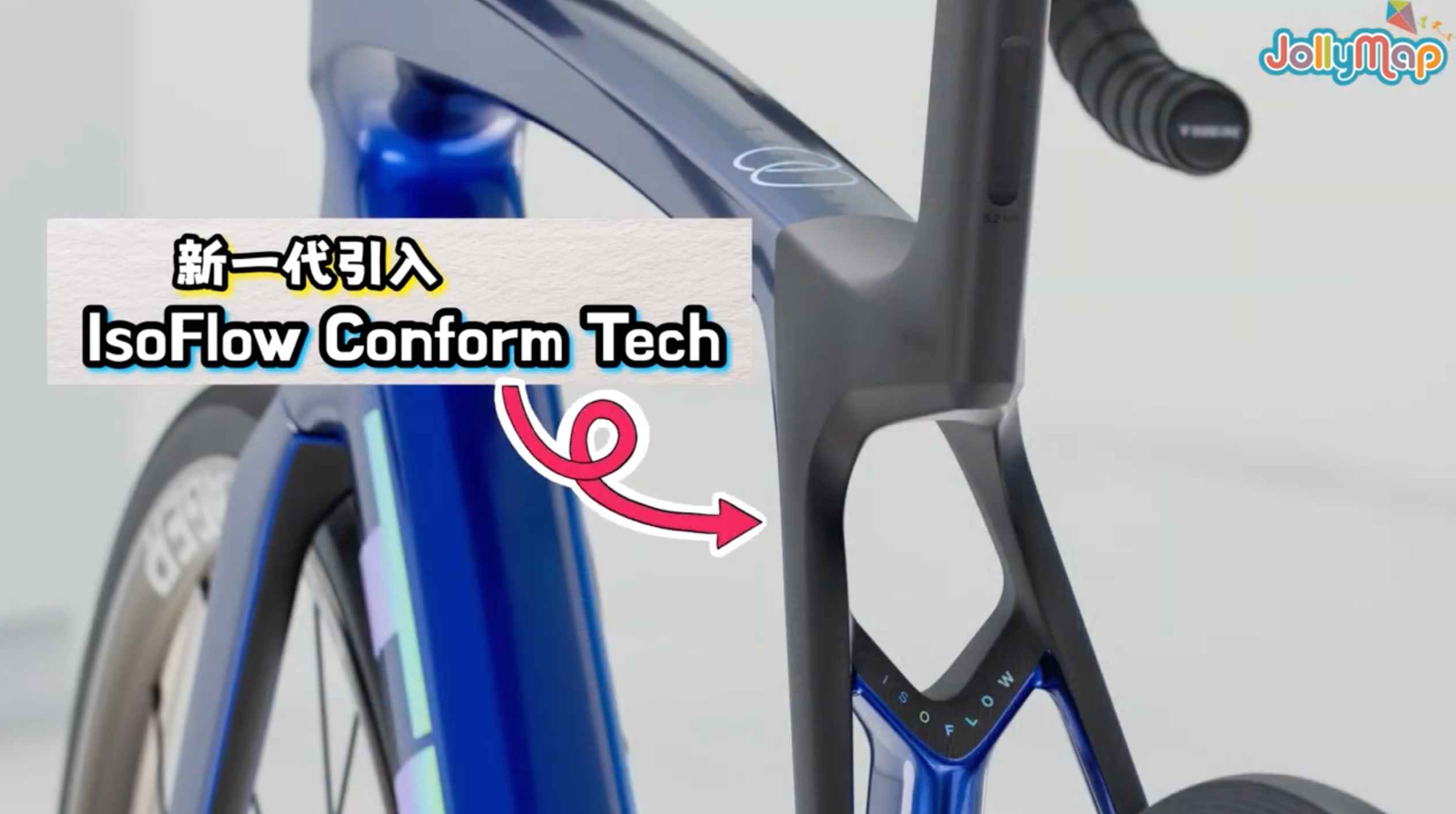
Even when compared to the Emonda, the new Madone reduces vibrations by 24%, highlighting its comfort advantages. This means that the frame not only focuses on aerodynamic performance but also addresses the rider's comfort needs during long rides, truly achieving a balance between performance and comfort.

Size Optimization of the Madone: Better Choices for Riders
The new generation of the Madone has streamlined its sizing from eight options down to six, which is great news for manufacturers, retailers, and users alike. Previously, the size segmentation was very detailed, with different sizes for height differences of just 5 to 6 centimeters. This often led cyclists to find that both sizes were suitable after a BIKE-FIT, making it difficult to choose. Additionally, retailers faced challenges in inventory management, and even after selecting the right size, customers sometimes had to wait for orders to arrive.

The new six-size design covers a height range from 143 to 213 centimeters, which not only increases support for women, teenagers, and taller riders but also allows manufacturers to focus more on optimizing the design for each size. This means that smaller frames are not just scaled-down versions of larger ones; instead, they feature re-engineered tubing aimed at achieving consistency in weight and stiffness. This thoughtful approach ensures that all riders benefit from a well-balanced frame, regardless of size.

Furthermore, all frame sizes have undergone independent wind tunnel testing to ensure that each frame delivers optimal performance and riding experience. This change not only enhances the convenience of selection but also improves the overall design quality, enabling more riders to find the frame that suits them best. This commitment to rigorous testing and quality assurance reflects Trek's dedication to meeting the diverse needs of cyclists.

Geometry Design of the Madone: Balancing Handling and Comfort
The new generation of the Madone embodies Trek's H1.5 philosophy, successfully combining race-ready handling with enhanced comfort. Compared to the previous generation, each size has seen slight increases in geometry, which translates to improved rider comfort. For instance, the stack and reach ratio for the medium size is 1.42, while for the small size, the ratio is 1.38 compared to Giant's Propel. This indicates that the new Madone offers notable improvements in comfort, making it more suitable for varied riding experiences.

The SLR integrated handlebars have been re-engineered not only for aerodynamic efficiency but also to align with current design trends. This redesign enhances the overall aesthetic while maintaining functionality, ensuring that riders benefit from a sleek, modern look without sacrificing performance. The integration of these handlebars contributes to a more streamlined profile, further improving the bike's aerodynamic properties.
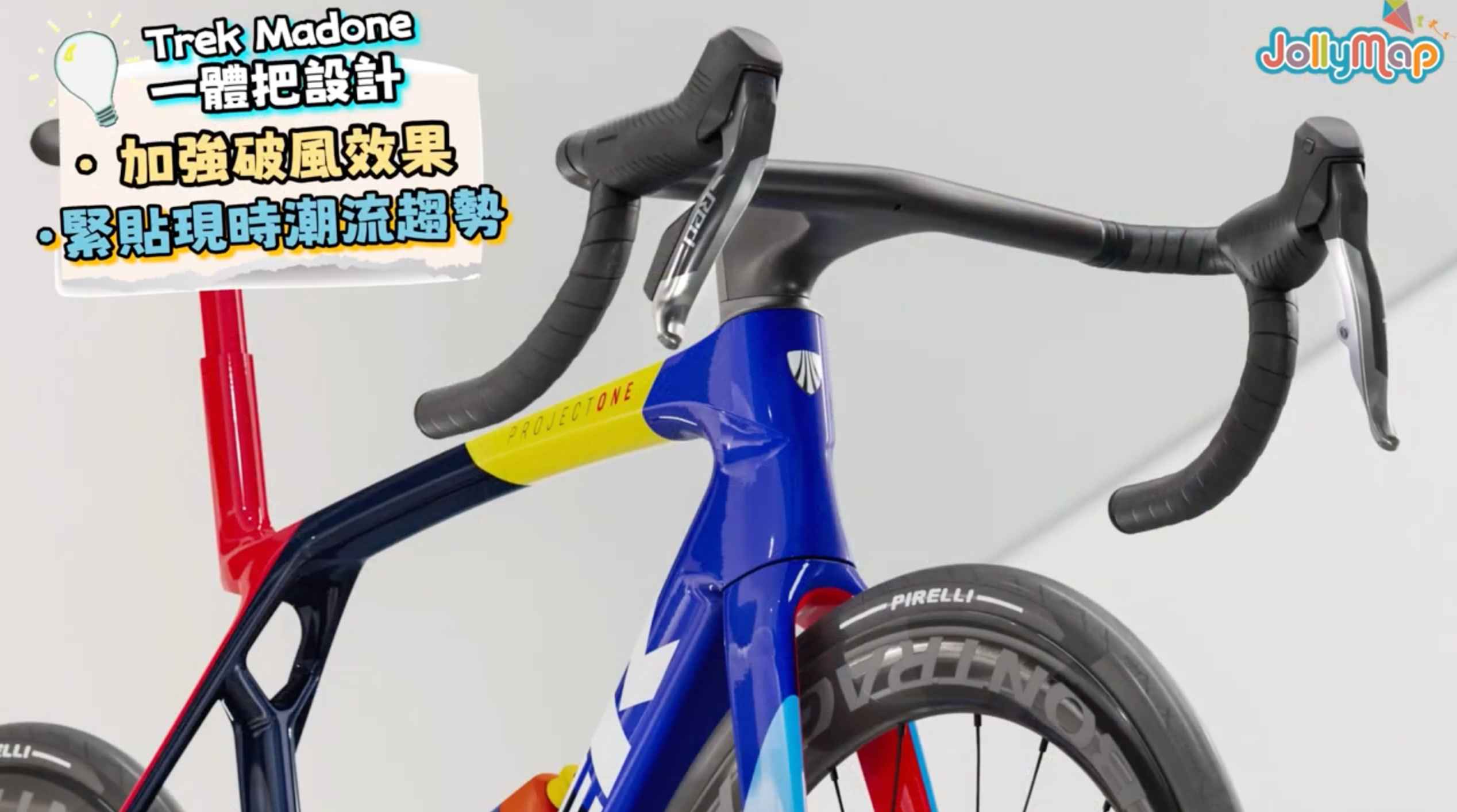
The bike features a flare-style six-degree handlebar, with the lower section measuring 3 to 4 centimeters wider than the upper section. This design allows riders to choose the upper position for aerodynamic efficiency while providing the option to switch to the lower position for enhanced control when needed. This versatility in handlebar design contributes to a more adaptable riding experience, catering to different riding scenarios.

The handlebars feature a goose neck length ranging from 80 to 130 millimeters, offering riders a variety of options to suit their preferences and riding styles. This adjustability allows for a more personalized fit, enhancing comfort and control during rides.

Additionally, the new generation Madone features a monocoque fork design that is originally compatible with 28C tires while also capable of supporting 32C tires. This flexibility enhances the bike's adaptability to various road conditions. These geometric design changes not only improve riding performance but also ensure that cyclists can enjoy a better riding experience across different scenarios, from smooth pavement to rougher terrains.


Color Options for the Madone: Opportunities for Personalization
The new generation Madone offers a variety of stunning color choices, allowing riders to find a frame that matches their personal style. If you’re still unsure about the perfect color, Trek's Project 1 program provides options for custom color schemes. This initiative not only allows you to select colors but also enables the creation of unique patterns and even supports electric color designs. This level of customization ensures that each rider can have a truly personalized bike that reflects their individuality.
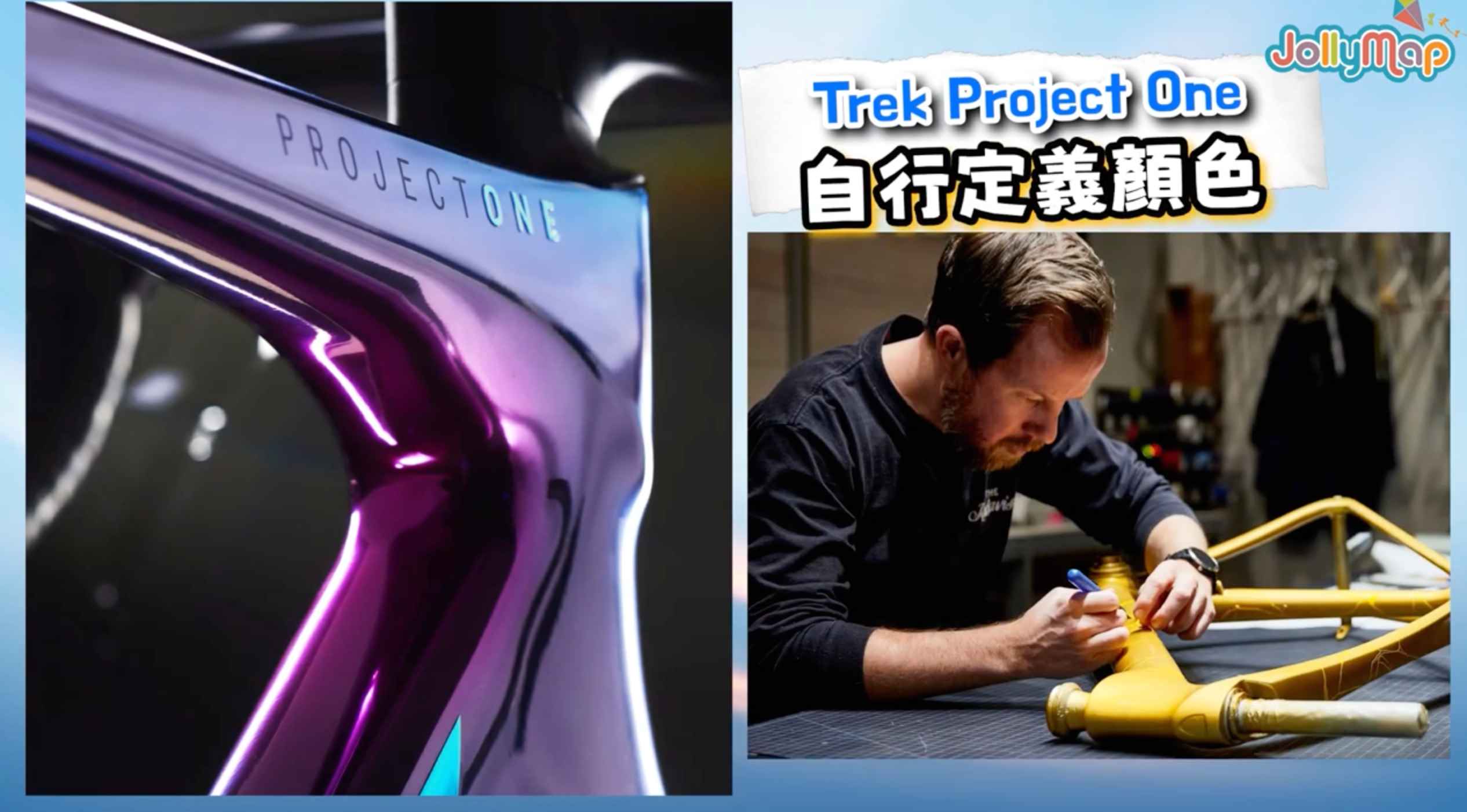
No matter what style you desire, these customization options allow you to create a one-of-a-kind Madone that showcases your personality and taste. Such personalized services not only enhance the joy of riding but also ensure that every cyclist has a bike that truly reflects their preferences and individuality. This attention to detail in customization elevates the overall cycling experience, making each ride more meaningful and enjoyable.
Pricing and Seat Design Improvements for the Madone
The new generation Madone has seen advancements in pricing, with each model being more affordable compared to its predecessor. Previously, Madone models typically ranged from 40,000 to 50,000, but the newly launched SL5 model, equipped with Shimano 105 components, is now priced under 300,000. This reduction makes it easier for more riders to access the bike and allows for additional budget flexibility to upgrade components like the wheelset.

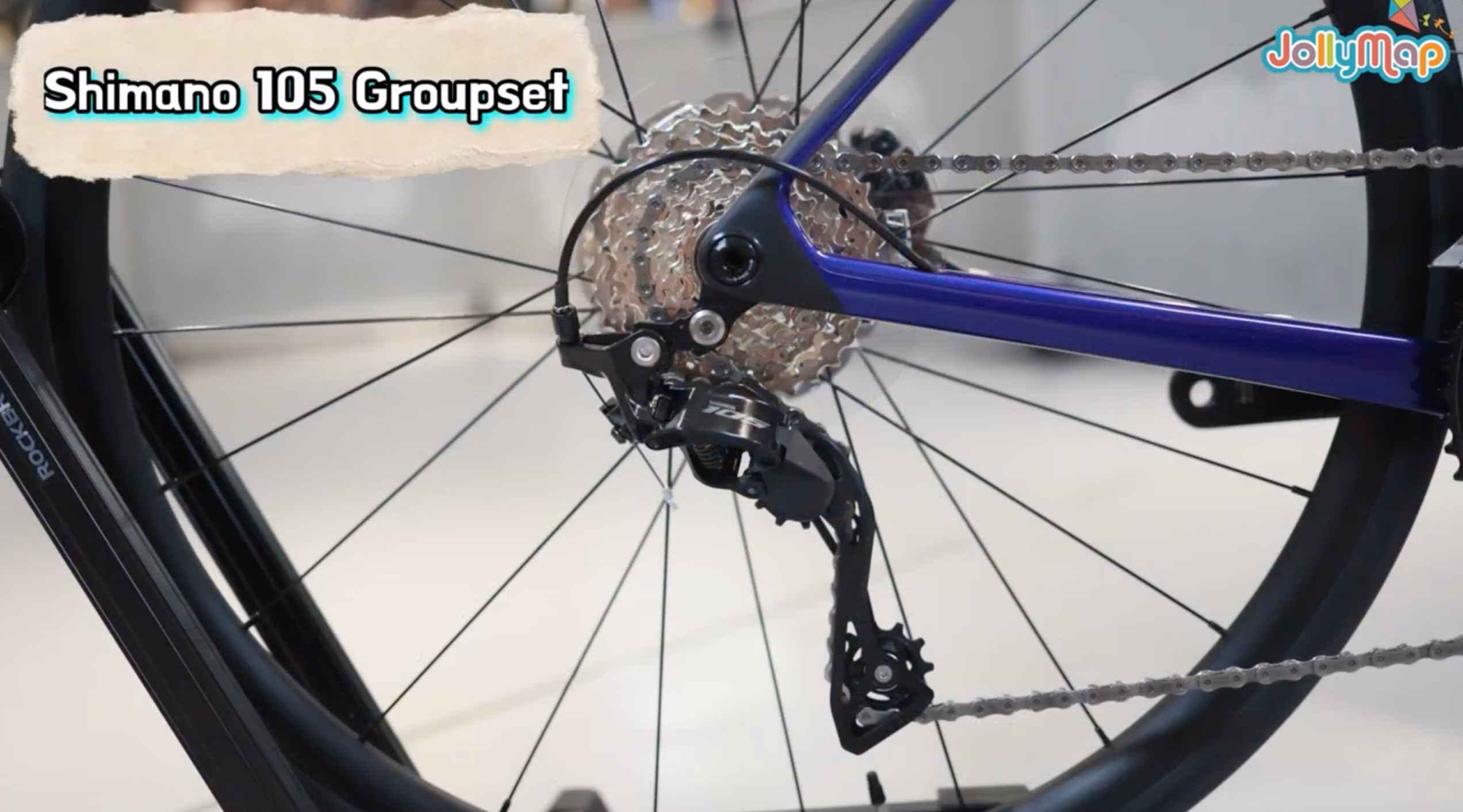

In terms of models, the SLR is the top-tier option, utilizing OCLV900 carbon fiber. If you wish to choose a Project One custom color, selecting the SLR is essential. The SL frame supports both mechanical and electronic drivetrain systems, while the SLR is exclusively compatible with electronic shifting. Additionally, the aerodynamic water bottle and cage come standard with the SLR, whereas SL owners will need to purchase these separately.
Regarding seat design, the XS and S sizes of the Madone feature a seat width of 155 millimeters to accommodate female riders, enhancing comfort during rides. For younger cyclists considering this bike, it's advisable to select a seat based on their pelvic structure to ensure the best riding experience. These improvements not only increase flexibility in choices but also enhance the overall appeal of the Madone.

Weight Performance of the Madone: A Lightweight Surprise
The new generation Madone's medium-sized SL5, equipped with aluminum wheels and Shimano 105 components, has an impressive total weight of 8.9 kilograms. This makes the Madone one of the top choices among versatile road bikes, particularly excelling in balancing aerodynamic efficiency and climbing ability. The lightweight design not only enhances performance but also contributes to a more enjoyable riding experience, whether you're tackling steep hills or cruising on flat roads.


It's worth mentioning that the Madone utilizes a top-tier hydraulic disc brake system, allowing it to achieve a weight of under 7 kilograms. This is a weight range typically reserved for bikes designed specifically for climbing, showcasing its exceptional performance and design.
In addition to the Madone, Trek's Domane and other road bike models have also arrived at Jollymap. We invite everyone to visit the website and retail stores to explore and experience these outstanding products!
Shop Now
Trek Madone Generation 8
Jollymap🚴🏕️
🎒 Outdoor Accessories
🎽 Outdoor Clothing
🚲 Adult Bikes
🧒🏻 Kids & Youth Bikes
🛴 Scooters
🚲 Balance Bikes
⛑️ Helmet & Protecting gears
🏬 Jollymap Store Locations and Business Hours
💻 Jollymap Website
💬 Whatapp Enquiry


