Java Neo 9: what sets this tri-fold apart
Posted by Jollymap - 2025-10-29T00:00:00.000+08:00 - 2025 Folding Bike Recommendation
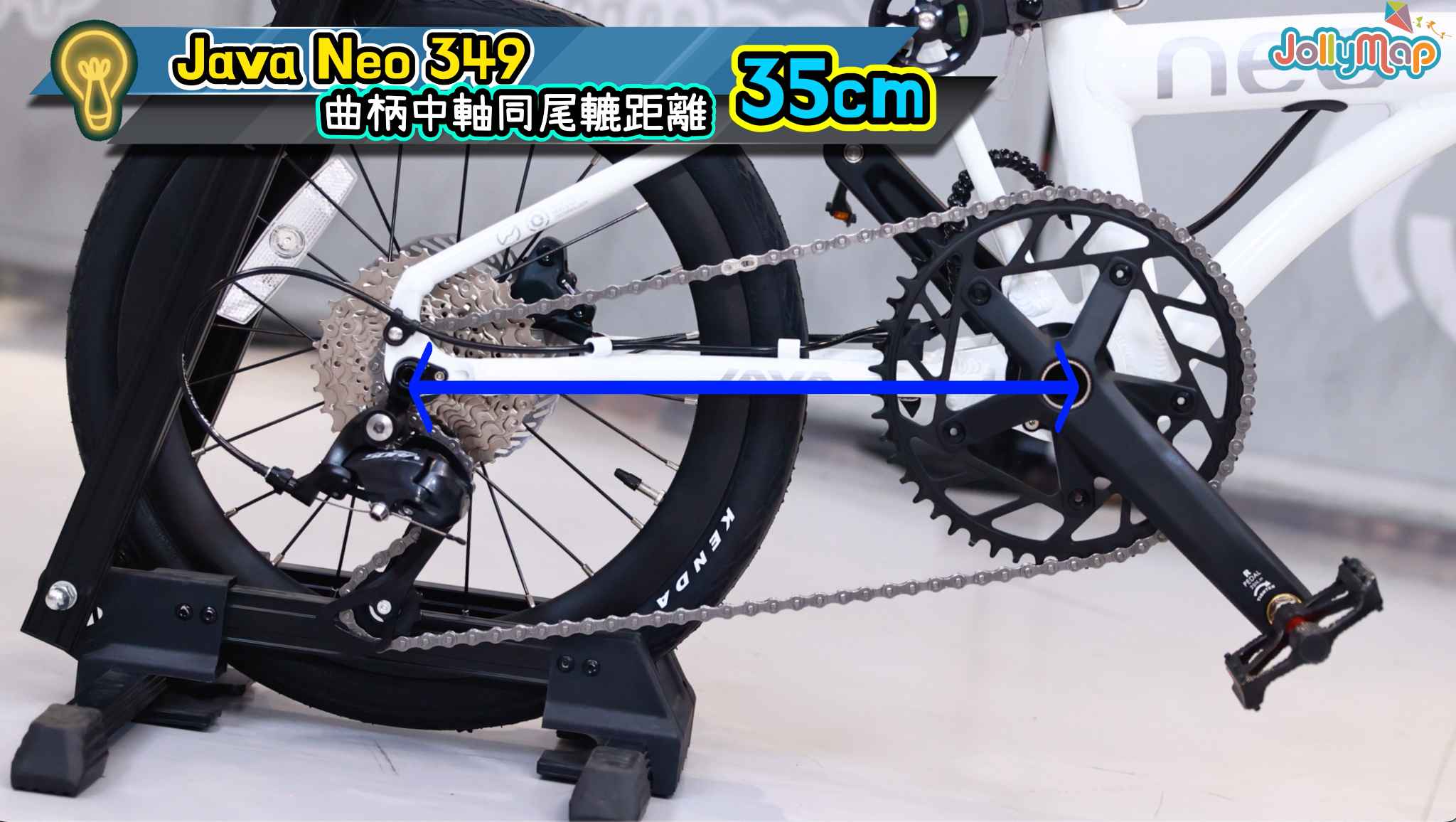
The Java Neo 9 is Java's first three-fold bike. Its aluminium frame comes with nine gears and hydraulic disc brakes, but the rear triangle, bottom bracket, stem and folding method have all been redesigned. The bottom bracket to rear-wheel distance is about 35 cm, compared with roughly 41 cm on the reference bike.
At the time of writing on 31 October 2026, the Java NEO 9S 16-inch 349 9-speed was HK$3,880 and the carbon-fork version HK$4,400. Check the product pages for current prices. The original introduction referred to a launch price in the HK$3,000s, not a permanent price.
Why is this not simply another Brompton-style bike?
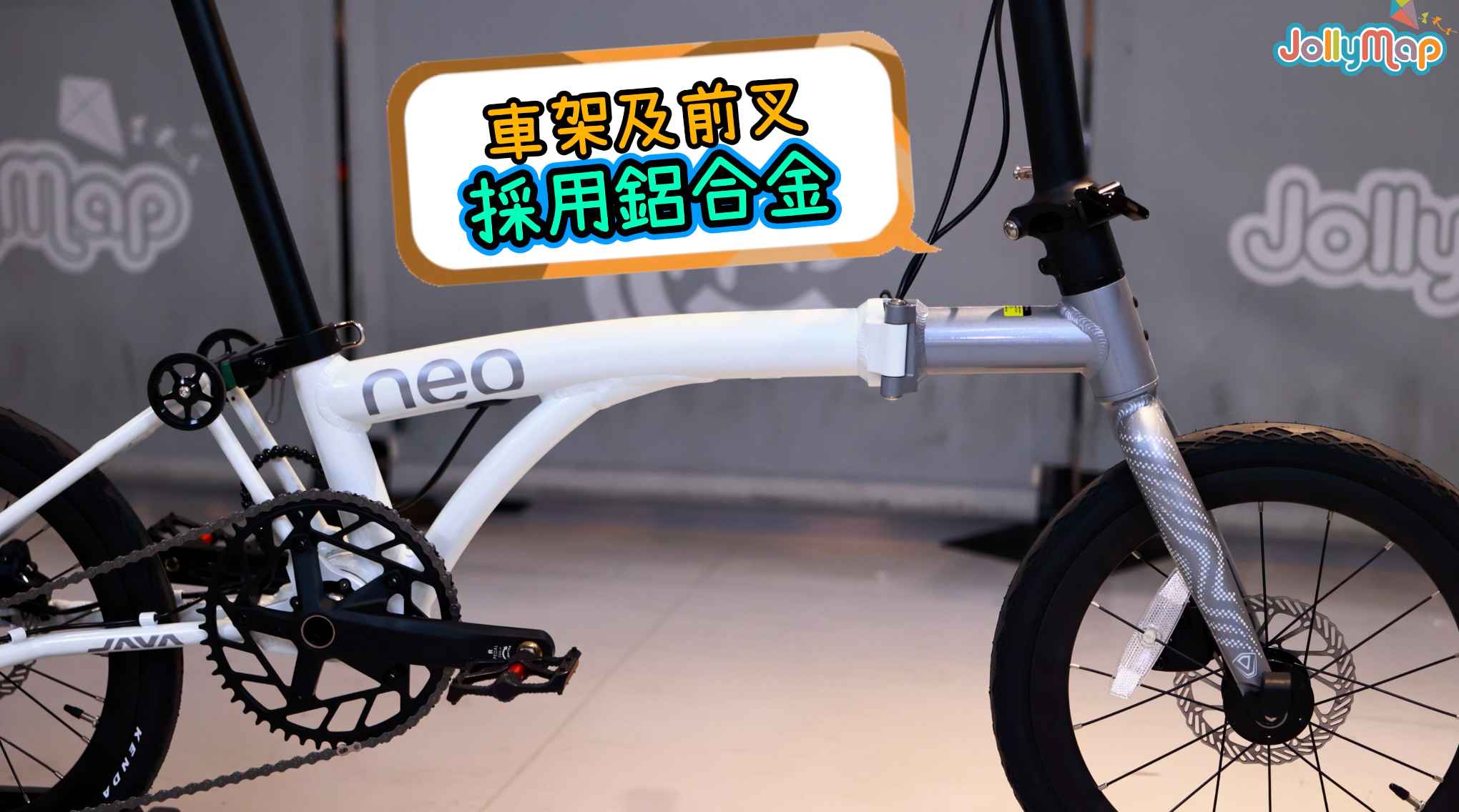
Some three-fold bikes keep Brompton-compatible dimensions, making accessories easy to find. Others change the frame to address specific limitations. Neo belongs to the second group. The frame and fork are aluminium, while the gear cables and rear brake hose run partly inside the frame. The front hose also passes through the stem, so maintenance takes longer than with fully external cables.
What does the 35 cm rear triangle change?
The rear triangle rotates around the same centre as the bottom bracket. Two large metal rings replace a smaller pivot, increasing contact area and stiffness. The bottom bracket to rear-wheel measurement is about 35 cm, around 6 cm shorter than the Aceoffix comparison. A shorter rear centre makes starts feel more direct.
No compatible rear rack was available when this bike was introduced. That does not prevent it from rolling when folded, but riders who want to carry luggage should ask about current rack options before buying.
Does the rearward bottom bracket stretch the riding position?
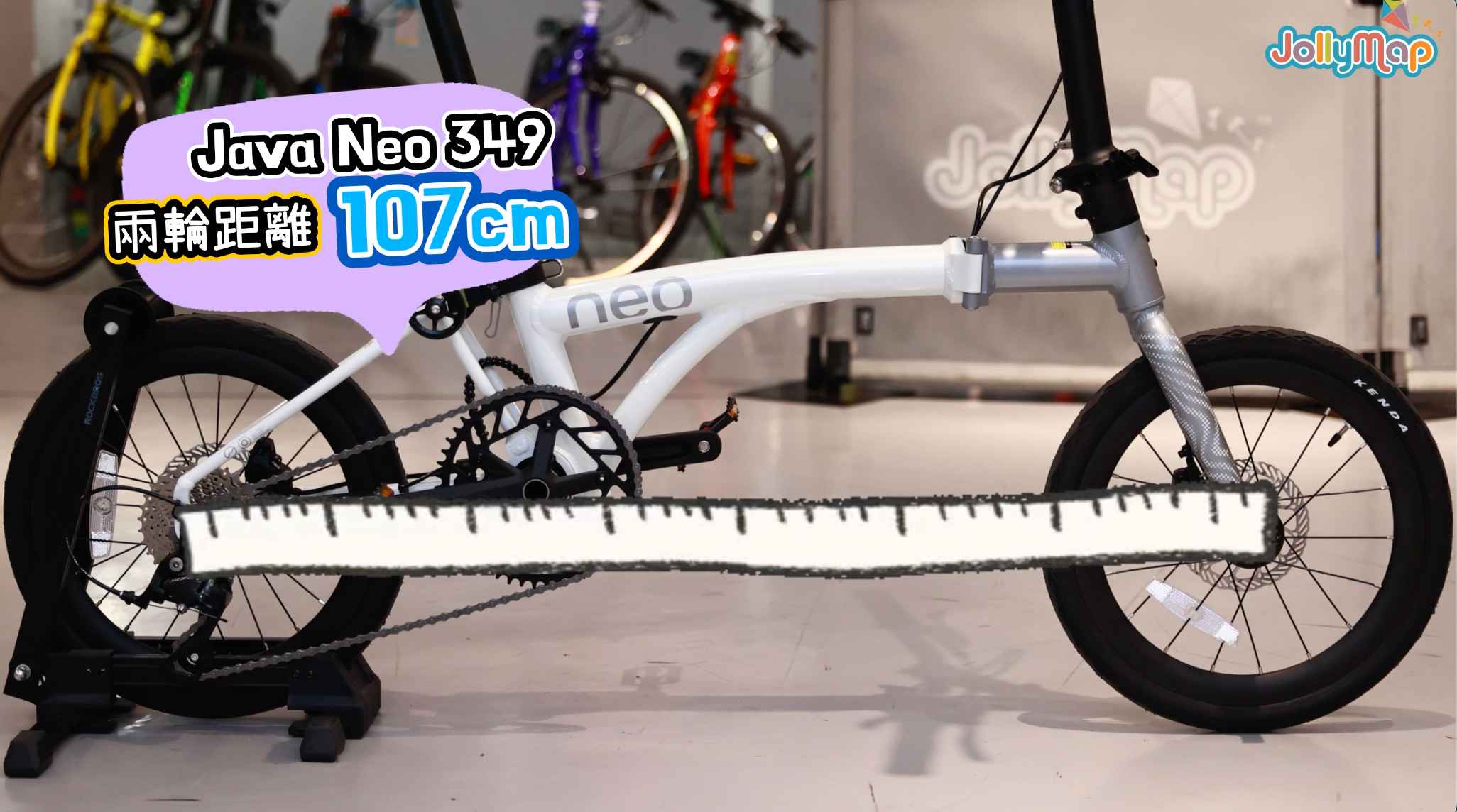
Folding bikes often place the bottom bracket ahead of the seat tube because the seatpost is long. Neo places it behind the seat tube. The seat angle is about 73 degrees rather than 74.3 degrees, helping to balance the changed position. The wheelbase remains about 107 cm, and the bottom bracket is about 26 cm above the ground rather than roughly 29 cm on the comparison bike.

A relatively straight stem keeps the saddle-to-handlebar distance from becoming excessive. After riding it, Jason said the position felt similar to other three-fold bikes and did not require a new riding posture.
What is different about folding it?
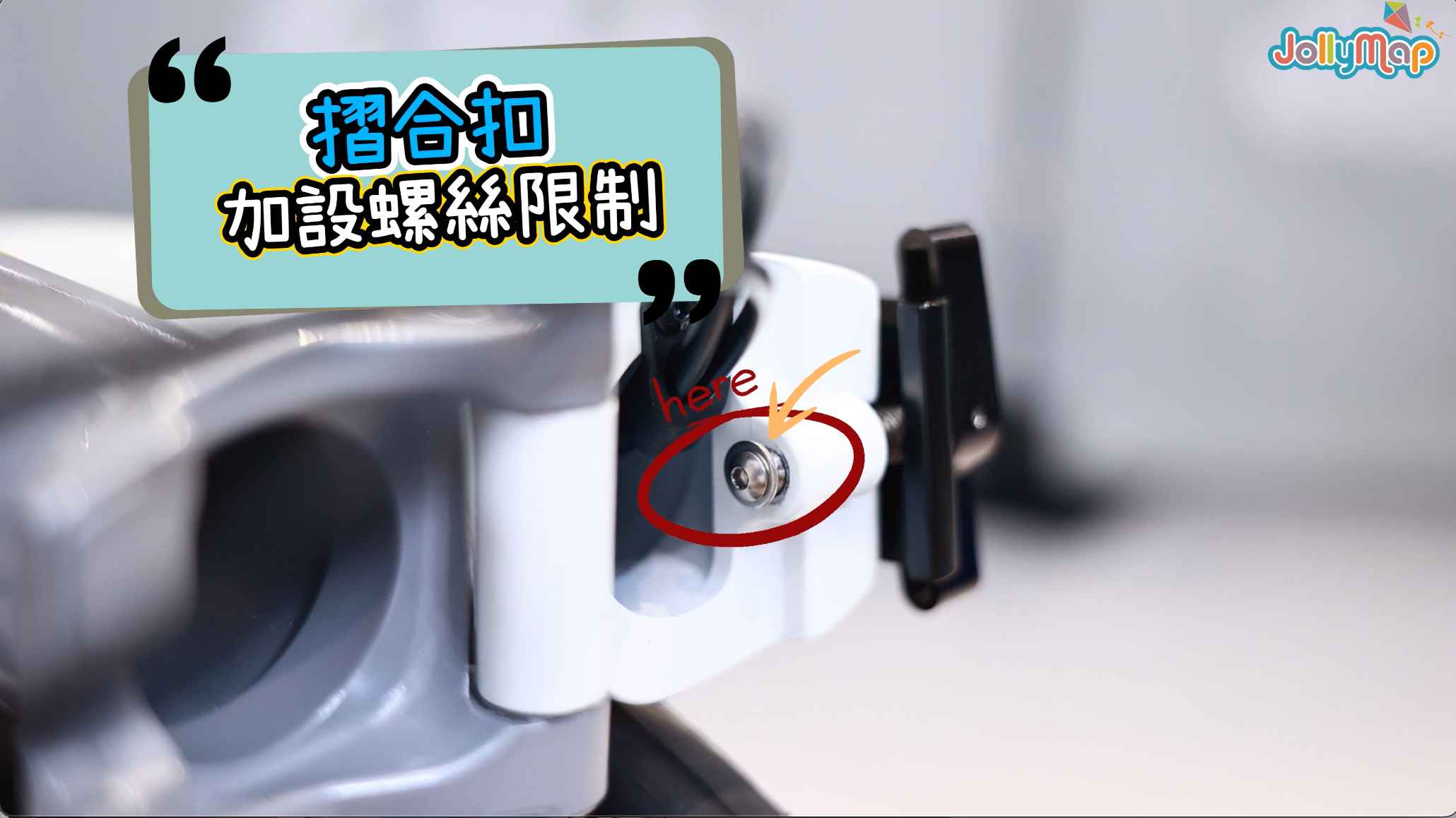
The hinge clamp has a stop so it is less likely to be unscrewed too far. The front fork folds in a more familiar direct way rather than following a Z-shaped path. The handlebar ends up facing outwards and can be adjusted, while the frame stays clear of the rear wheel so the folded bike can roll.
Why must the folded bike be pushed forwards?
Pulling it backwards turns the crank and may jam a pedal against a wheel. Larger easy wheels can also change its balance. The original 37 mm tyres leave only about 1–2 mm from the frame when folded. A Schwalbe Kojak 35 mm is worth testing, but fit and rolling clearance must be checked on the bike.
Before folding, shift onto the largest sprocket. This moves the derailleur back and reduces interference with the front wheel and frame.
Are nine gears and 165 mm cranks enough?
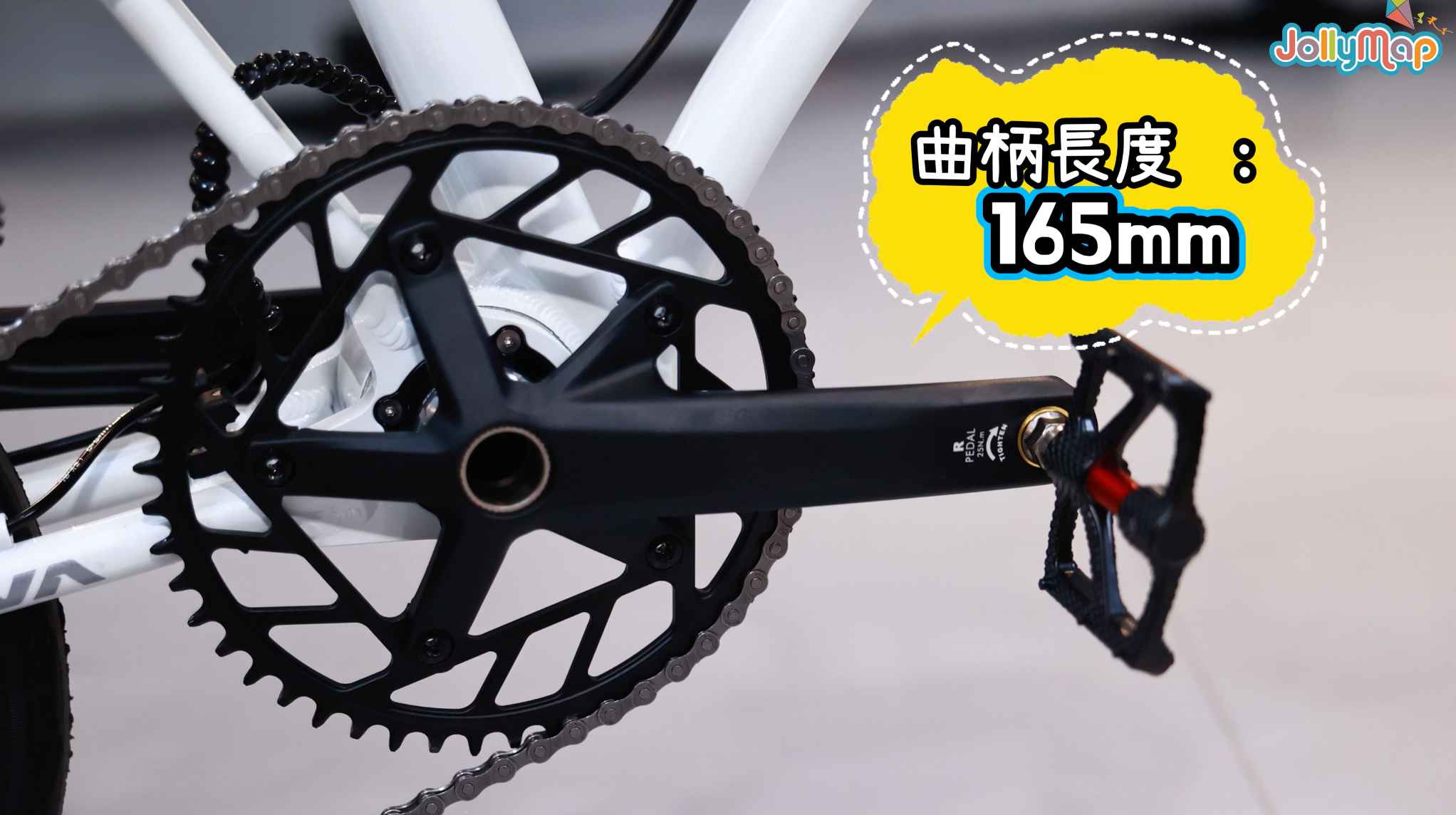
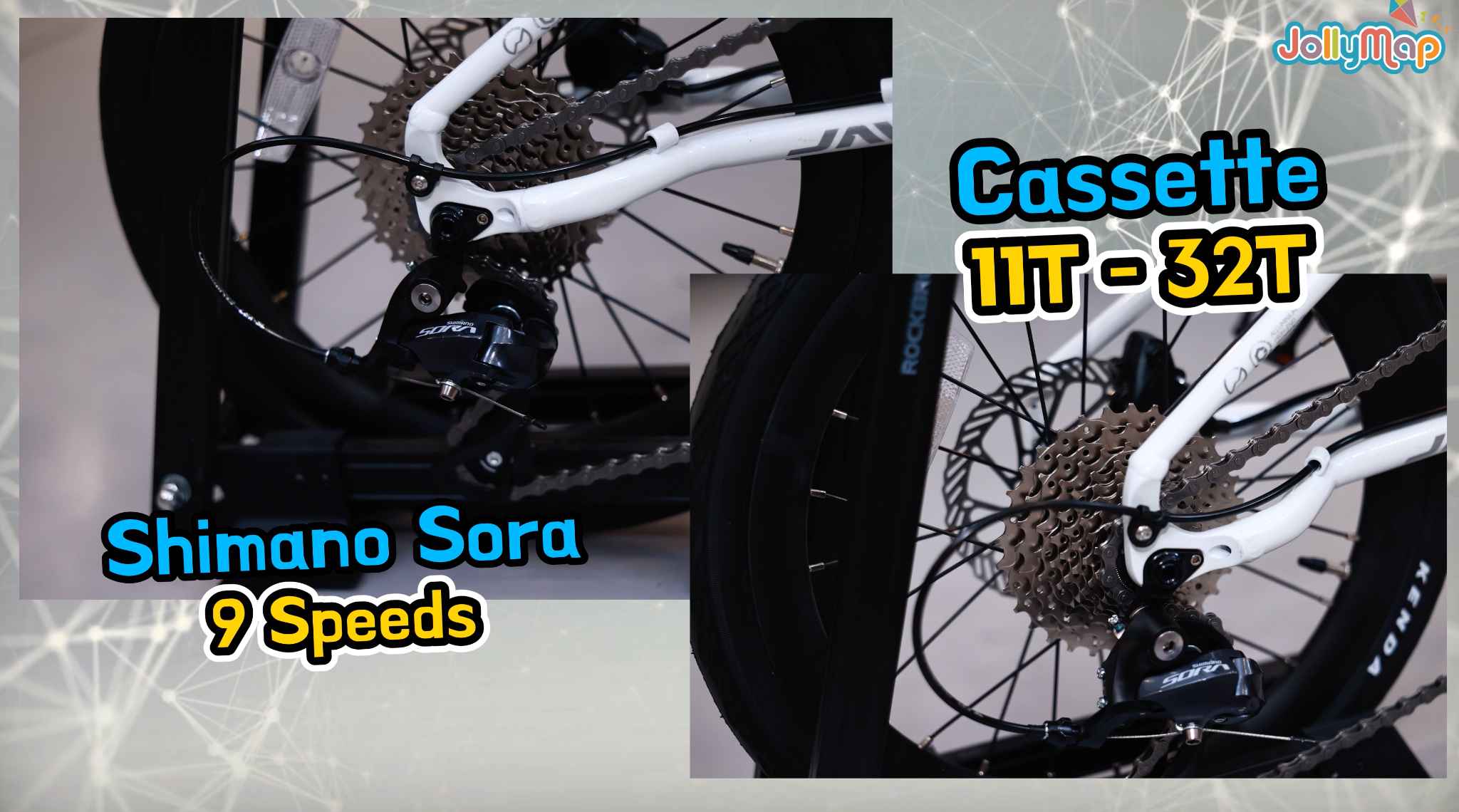
The 50T CNC chainring is paired with 165 mm cranks, a useful length on a single frame used by riders of different heights. The Shimano Sora cassette is 11–32T. It has a small 11T sprocket for flatter roads and a 32T for ordinary slopes, but it is not the 40T climbing gear found on the 12-speed model. The current product page lists an L-TWOO shifter and Shimano rear derailleur.
Hydraulic disc brakes provide more progressive control than cable-operated discs. Both wheels use thru-axles. Foam grips, a foam saddle and single-sided quick-release pedals are the basic contact-point equipment. The measured weight with pedals was 10.16 kg, which the product page rounds to about 10.2 kg.
Aluminium fork or carbon fork?
The carbon-fork model retains the aluminium frame, nine gears and 165 mm cranks. Choose it for reduced front-end vibration, not for an easier climbing gear. Its official figure of about 9.8 kg was not measured under the same conditions as the 10.16 kg aluminium-fork bike, so it should not be presented as a confirmed 400 g saving.
Common questions
How do I push it without a rear rack? Use the bike's own wheels and original easy wheels, and push forwards. Which gear should I select before folding? The largest sprocket. Can I fit wider tyres? Only after checking clearance; the original setup already has very little room. Is the current price the launch price? No. Use the current product page.
To compare the bikes in person, see our store location and opening hours. For the latest specifications, contact us on WhatsApp.


