Ultimate Bike Speed Calculator: Optimize Your Cycling Performance
Posted by Jollymap - 2024-08-06T00:00:00.000+08:00 - Bike Speed Calculator

As cyclists, we're always looking for ways to push our limits and improve our performance. Whether you're a weekend warrior, a competitive racer, or simply curious about the mechanics of cycling, understanding your bike's speed potential is crucial. That's where our Ultimate Bike Speed Calculator comes in.
Imagine being able to predict your cycling speed based on your bike's setup, or compare different gear configurations without ever hitting the road. Our bike speed calculator does just that, giving you the power to optimize your cycling experience from the comfort of your home or local bike shop.
This powerful tool takes into account key factors such as tire size, cadence, and gear ratios to provide you with accurate speed estimations in kilometers per hour. Whether you're planning your next training session, considering a bike upgrade, or simply satisfying your curiosity about cycling mechanics, this calculator is your go-to resource.
In this blog post, we'll guide you through using the bike speed calculator, explain the factors that influence your cycling speed, and show you how to apply this knowledge to enhance your riding experience. Get ready to unlock the secrets of speed and take your cycling to the next level!
Directly jump to Bike Speed Calculator
Why Calculate Your Bike Speed?
Understanding your potential bike speed is more than just a numbers game—it's a gateway to enhancing your entire cycling experience. Here's why calculating your bike speed can be a game-changer:
1. Optimize Your Training
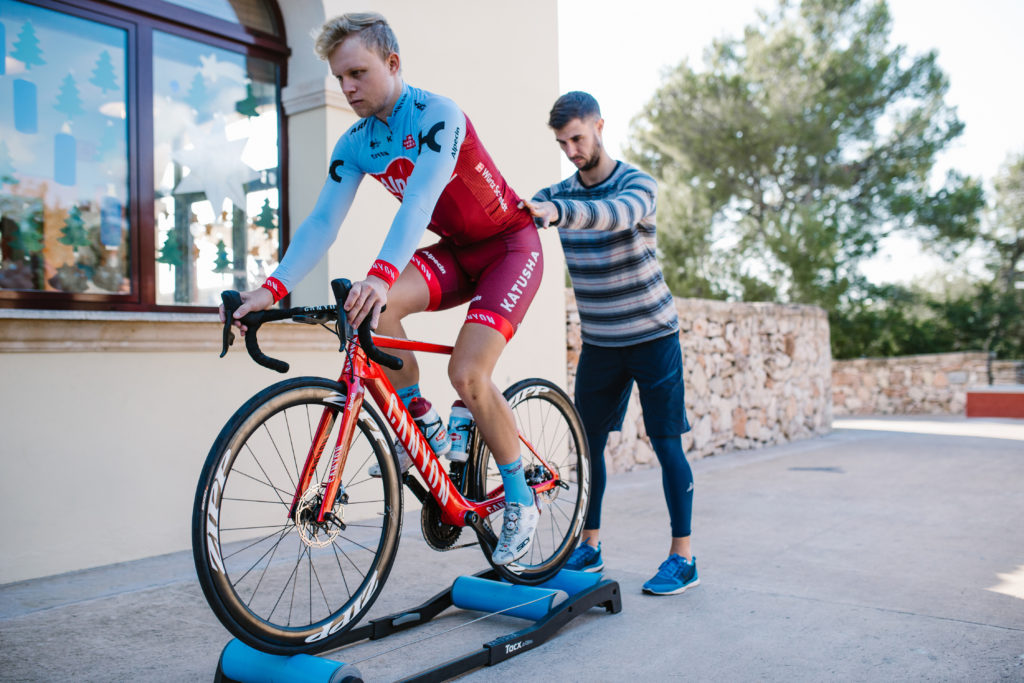
Knowing your theoretical speed at different cadences and gear ratios allows you to set realistic goals and structure your training more effectively. You can simulate race conditions or plan interval training sessions with precision, helping you train smarter, not just harder.
2. Compare Different Bike Setups
Thinking about changing your gearing or upgrading your bike? Our calculator lets you compare different setups side by side. This means you can make informed decisions about your equipment without the need for costly trial-and-error purchases.
3. Plan for Component Upgrades

Upgrading your bike components can be a significant investment. By using the speed calculator, you can predict the impact of changes like a new cassette or chainring before making a purchase. This ensures that your upgrades align with your performance goals and riding style.
4. Satisfy Your Curiosity
For many cycling enthusiasts, understanding the mechanics behind their ride is part of the joy of the sport. Our bike speed calculator allows you to explore the relationships between cadence, gear ratios, and speed, deepening your appreciation for the engineering of your bicycle.
5. Prepare for Different Terrains
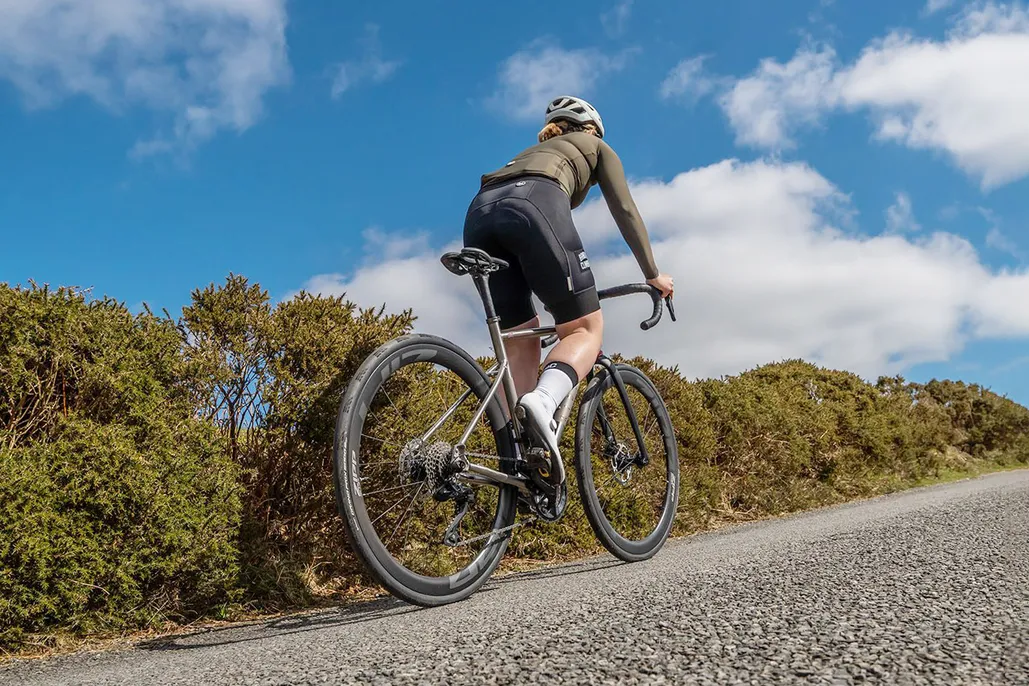
By calculating your speed for various gear combinations, you can better prepare for diverse riding conditions. Whether you're facing a steep climb or a fast descent, you'll have a clearer idea of how your bike will perform.
6. Fine-tune Your Race Strategy
For competitive cyclists, knowing your potential speeds in different gears can help you develop and refine your race strategy. You can plan your gear changes for different sections of the course, optimizing your performance throughout the race.
By leveraging the power of our bike speed calculator, you're not just crunching numbers—you're unlocking the potential to transform your cycling experience. In the following sections, we'll dive deeper into how to use this tool and apply its insights to your riding.
Directly jump to Bike Speed Calculator
Understanding the Factors that Affect Bike Speed
Before we dive into using the calculator, it's crucial to understand the key factors that influence your cycling speed. Our bike speed calculator takes into account four primary elements:
Tire Size and Width
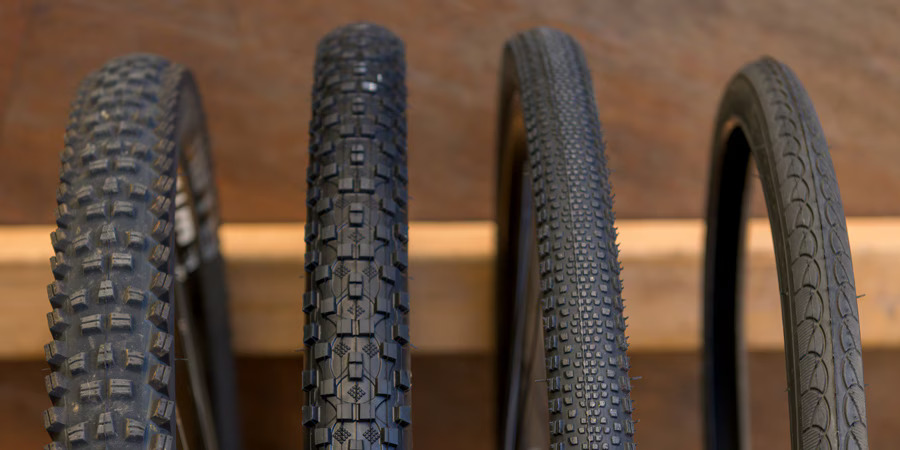
The size and width of your bike's tires play significant roles in determining your speed. The tire size includes both the diameter and the width. Here's how they affect your cycling: Tire
Diameter:
- Larger diameter wheels cover more ground with each revolution, potentially resulting in higher speeds at the same cadence.
- However, they may also require more effort to accelerate.
Tire Width:
- Narrower tires generally offer less rolling resistance and are lighter, which can lead to higher speeds, especially on smooth surfaces.
- Wider tires provide more comfort and traction, which can be beneficial for off-road riding or on rough surfaces.
Common tire sizes in our calculator include:
- 700c x 23c (narrow)
- 700c x 25-28c (standard)
- 700c x 30-35c (comfort)
- 29" x 2.1" (cross-country)
- 27.5" x 2.3" (trail)
- 26" x 2.1" (older models)
- 700c x 32c
- 700c x 35c
Children Bike / BMX Bikes:
- 20" x 1.75"
- 16" x 1.5"
The calculator will provide the ISO (International Organization for Standardization) designation for each tire size, giving you a standardized measurement for easy comparison and compatibility checking. When selecting a tire size, consider your riding style, terrain, and comfort preferences. While narrower tires might offer speed advantages, wider tires can provide better handling and comfort, especially on rougher surfaces. The bike speed calculator will help you understand how different tire sizes affect your potential speed under various conditions.
2. Cadence
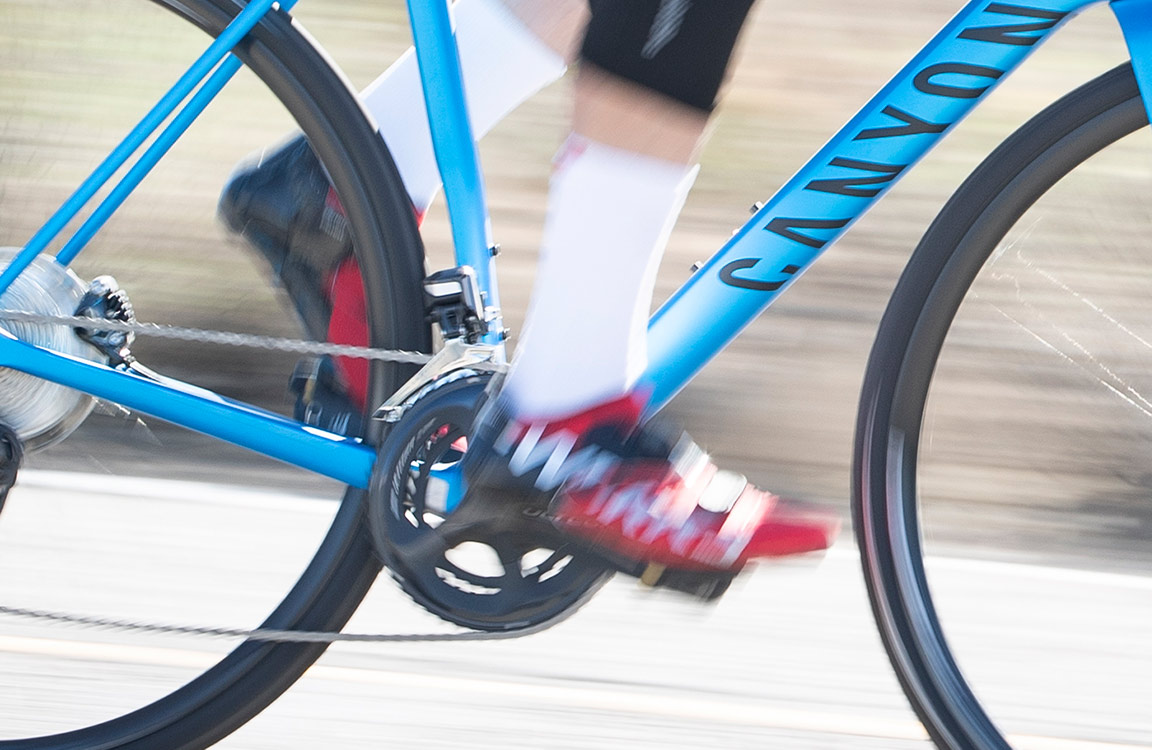
Cadence refers to the number of pedal revolutions per minute (RPM). It's a crucial factor in cycling efficiency and speed. A higher cadence generally allows for:
- Less muscle strain
- Improved cardiovascular efficiency
- Quicker acceleration
Most cyclists find a cadence between 80-100 RPM to be efficient, but this can vary based on individual factors and riding conditions.
3. Number of Front Chainring Teeth

The front chainring, or crankset, is connected to the pedals. The number of teeth on the chainring affects the gear ratio:
- More teeth = higher gear = potentially higher speed, but requires more force
- Fewer teeth = lower gear = easier to pedal, but potentially lower speed
Common configurations include single (30-40 teeth), double (50/34 teeth), or triple (52/42/30 teeth) chainrings.
4. Number of Rear Chainring Teeth
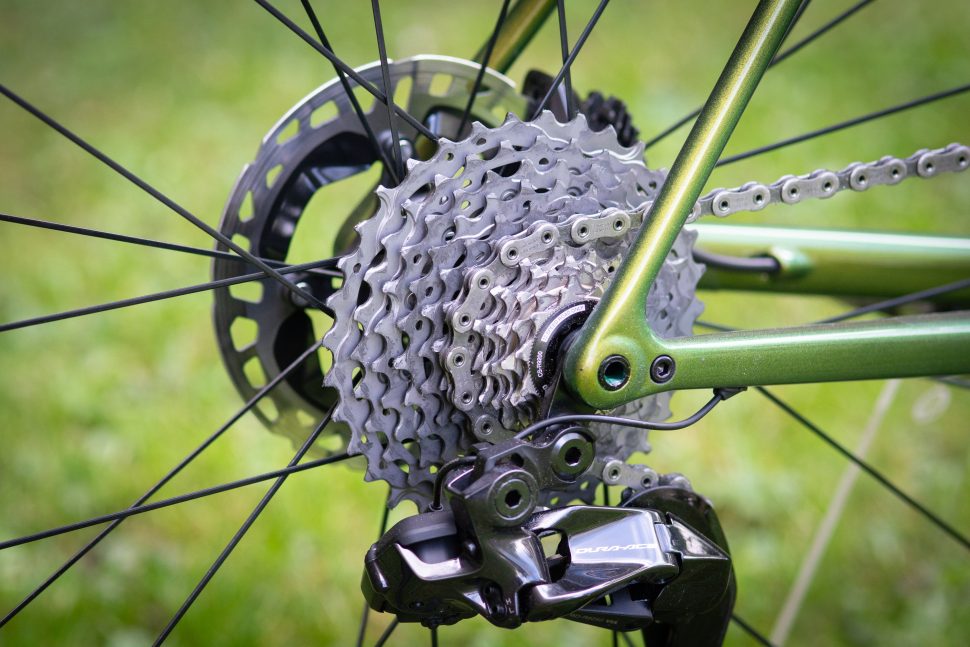
The rear chainring, or cassette, is located on the rear wheel. Like the front chainring, the number of teeth affects the gear ratio:
- More teeth = lower gear = easier to pedal, but potentially lower speed
- Fewer teeth = higher gear = potentially higher speed, but requires more force
Cassettes typically range from 11 to 34 teeth, with some mountain bike cassettes going up to 50 teeth or more.
Gear Ratio
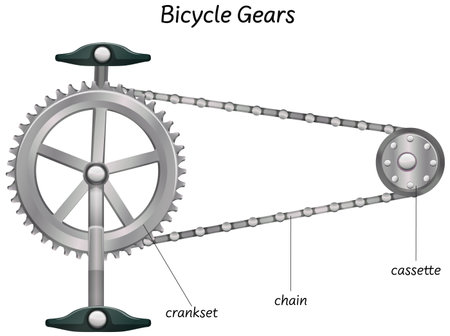
While not a direct input in our calculator, it's important to understand gear ratio. This is calculated by dividing the number of teeth on the front chainring by the number on the rear. A higher ratio (e.g., 3:1) results in potentially higher speeds but requires more effort, while a lower ratio (e.g., 1:1) is easier to pedal but may limit top speed.
By considering these factors, our bike speed calculator can provide an accurate estimate of your cycling speed. In the next section, we'll guide you through using the calculator to apply this knowledge practically.
Directly jump to Bike Speed Calculator
How to Use the Bike Speed Calculator
Our bike speed calculator is designed to be user-friendly and intuitive. Follow these steps to get accurate speed estimations for your bike setup:
1. Input Tire Size & Diameter
- Select your tire size from the dropdown menu.
- Common options include 700c, 29", 27.5", and 26".
- If your exact tire size isn't listed, choose the closest option.
-The calculator will also display the corresponding ISO designation for the selected tire size. This standardized measurement can be useful when comparing different tire options or ensuring compatibility with your bike frame.
2. Enter Cadence
- Input your pedaling cadence in revolutions per minute (RPM).
- If you're unsure, 80-90 RPM is a good starting point for most cyclists.
- You can experiment with different cadences to see how they affect your speed.
3. Specify Front Chainring Teeth
- Enter the number of teeth on your front chainring.
- For bikes with multiple front chainrings, you can calculate for each one separately.
- Common numbers range from 22 (for mountain bikes) to 53 (for racing bikes) or 55 (for folding bike)
4. Specify Rear Chainring Teeth
- Enter the number of teeth on the rear cog you're interested in.
- This typically ranges from 11 to 34, or even higher for some mountain bikes.
- Remember, you can calculate for different cogs to compare speeds in various gears.
5. Calculate and Interpret Results
- When you input all the information, the calculator will display your estimated speed in kilometers per hour (km/h).
- It will also show the gear ratio for reference.
Directly jump to Bike Speed Calculator
Tips for Using the Calculator:
- Experiment with different combinations to understand how changes in gearing or cadence affect your speed.
- Use the calculator to compare your current setup with potential upgrades.
- For a comprehensive view, calculate speeds for all your gears to understand your bike's full speed range.
- Remember that this calculator provides theoretical speeds. Actual speeds can be influenced by factors like wind, terrain, and rider fitness.
Interpreting the Results:
- Higher speeds aren't always better. Consider the effort required to maintain those speeds.
- Look for a balance between speed and comfortable pedaling effort.
- Use the results to identify any gaps in your gearing that might be filled with component changes.
By using this calculator, you can gain valuable insights into your bike's performance characteristics. In the next section, we'll show you the calculator itself and guide you through a practical example.
Bike Speed Calculator Tool
Now that you understand how to use the calculator, let's put it into practice. Below, you'll find our interactive Bike Speed Calculator. Input your bike's specifications and see your estimated speed instantly!
Understanding Tire ISO
The ISO (International Organization for Standardization) system for tire sizing provides a standardized method for describing bicycle tire dimensions. It consists of two numbers:
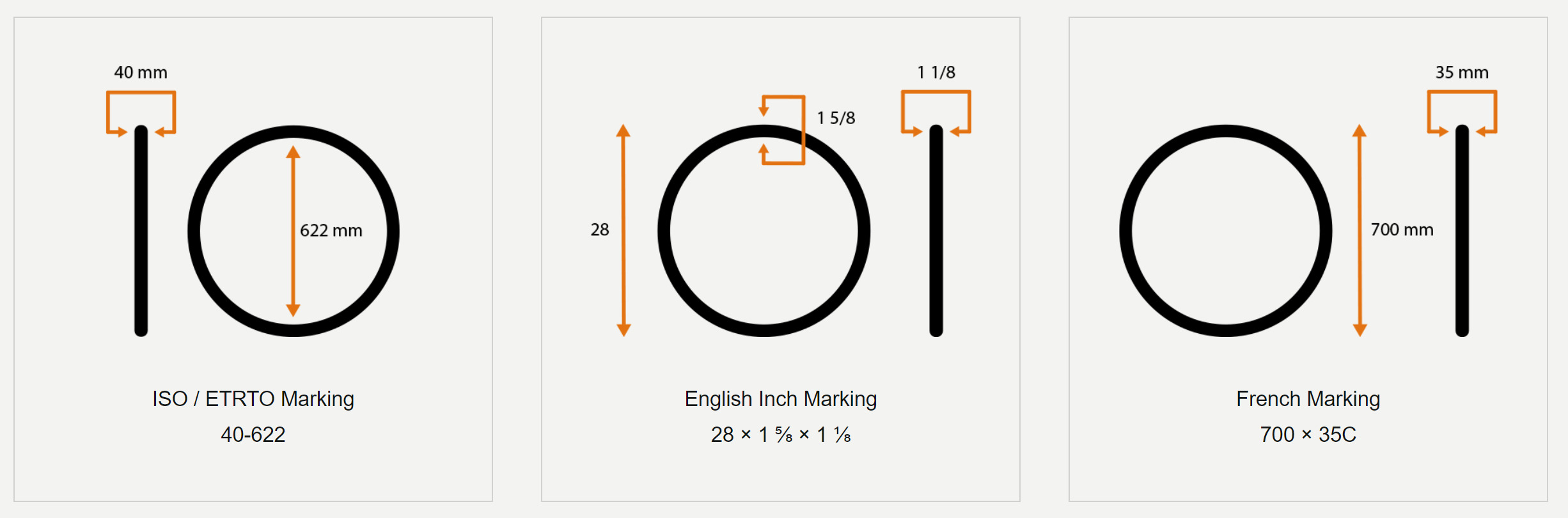
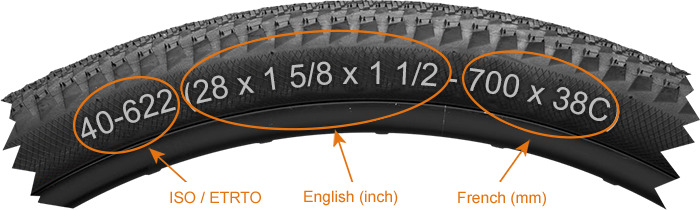
- The first number represents the tire's width in millimeters.
- The second number represents the inner diameter of the tire (which corresponds to the outer diameter of the rim) in millimeters.
For example:
- 700c tires typically have an ISO designation of 622mm (for the bead seat diameter)
- 29" mountain bike tires also use the 622mm ISO size
- 27.5" mountain bike tires correspond to an ISO size of 584mm
- 26" mountain bike tires usually have an ISO size of 559mm
Understanding the ISO system can be helpful when:
- Comparing tires across different brands or types
- Ensuring compatibility with your bike frame and rim
- Shopping for tires online or in international markets
By providing the ISO designation alongside the common tire size names, our Bike Speed Calculator offers you a more comprehensive understanding of your bike's tire dimensions. This information can be particularly useful when considering upgrades or replacements that might affect your bike's speed and performance.
Example:
Let's say you have a road bike with 700 x 25c wheels, you're pedaling at 80 RPM, your front chainring has 50 teeth, and you're on the 11-tooth cog of your rear cassette. You'll see that your estimated speed is about 51.8 km/h with a gear ratio of 4.5.
Remember, this is a theoretical speed based on ideal conditions. Factors like wind resistance, terrain, and your personal fitness level will affect your actual speed on the road.
Experiment with different combinations to see how changes in your setup or cadence can affect your speed. This can be particularly useful when planning gear changes or considering how to approach different riding scenarios.
In the next section, we'll discuss some practical applications of the bike speed calculator and how you can use these insights to improve your cycling.
Directly jump to Bike Speed Calculator
Practical Applications of the Calculator
Now that you're familiar with using the Bike Speed Calculator, let's explore how you can apply this knowledge to enhance various aspects of your cycling experience:
1. Training Optimization
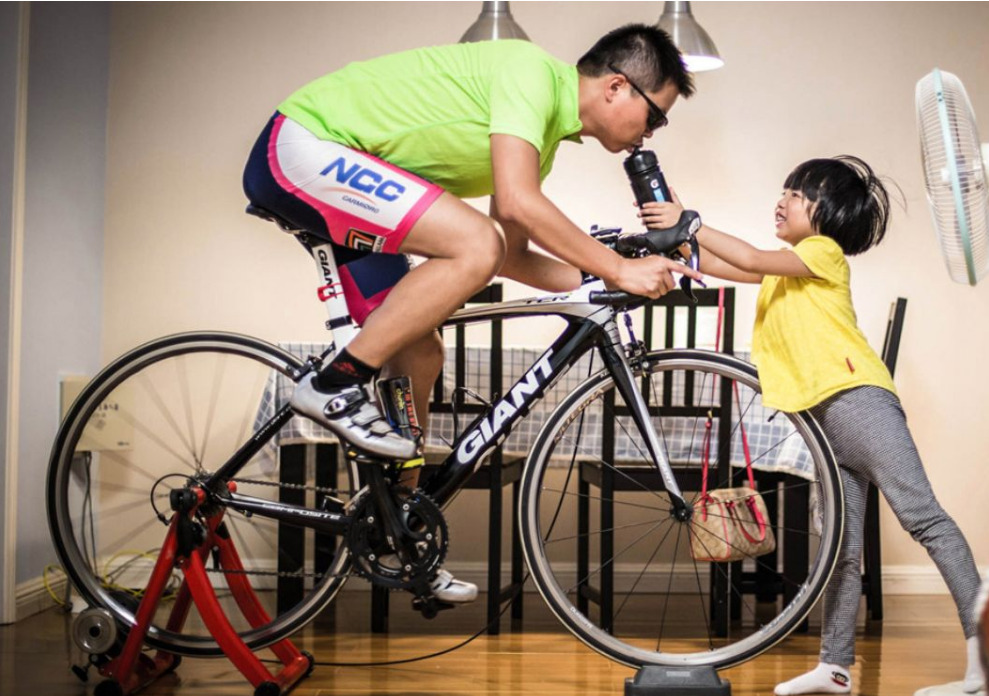
- Interval Training: Use the calculator to determine the gear and cadence combinations for specific speed targets during interval sessions. This allows you to train more precisely and effectively.
- Cadence Drills: Calculate the speeds you achieve at different cadences in the same gear. This can help you find your optimal cadence range and improve your pedaling efficiency.
- Race Simulation: Input the gearing of your race bike to simulate race speeds at different efforts, helping you prepare mentally and physically for upcoming events.
2. Bike Setup Comparisons
- Gearing Decisions: Compare different chainring and cassette combinations to find the ideal setup for your riding style and terrain.
- Wheel Size Impact: If you're considering a bike with a different wheel size, use the calculator to understand how it might affect your speed at your typical cadence.
- Bike Type Comparison: Calculate and compare speeds between your road bike, mountain bike, gravel bike or folding bike to understand their performance characteristics.
3. Planning Component Upgrades
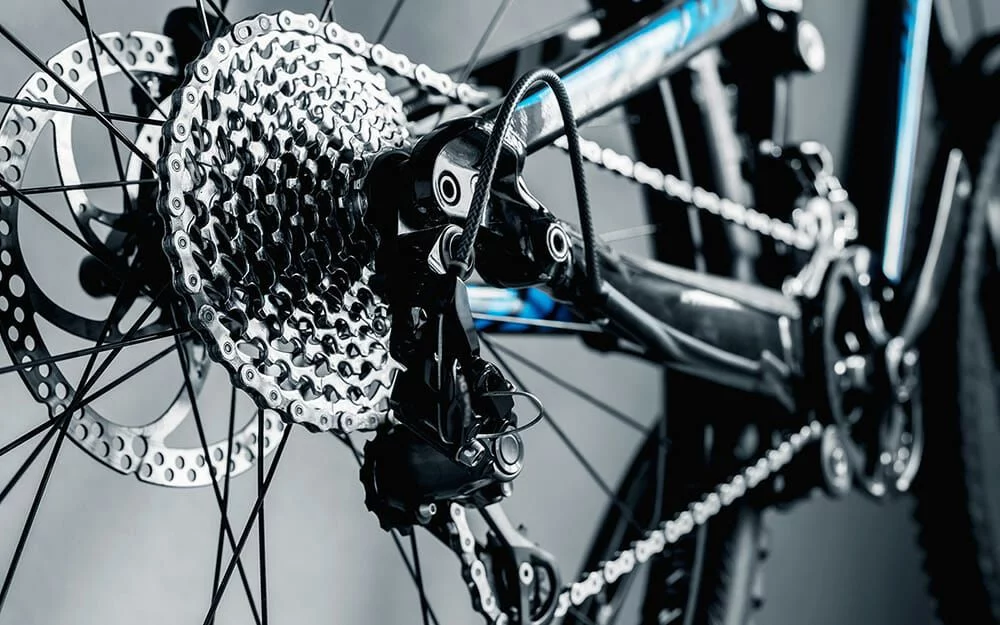
- Cassette Changes: Model how a cassette with a different range might affect your high and low speeds.
- Chainring Upgrades: Calculate the speed impact of switching to a compact, mid-compact, or standard crankset.
- Gear Range Analysis: Identify any gaps in your current gearing and determine if a component upgrade could provide a more suitable range for your needs.
4. Racing Strategy
- Course Planning: For each section of a race course, determine the optimal gear and cadence to maintain your target speed.
- Breakaway Analysis: Calculate the speed you can sustain in your highest gear to see if you can maintain a breakaway.
- Climb Preparation: Use the calculator to find the right balance of gear ratio and cadence for upcoming climbs in your races.
5. Bike Fit Considerations
- Cadence and Comfort: If you find yourself consistently riding at a lower or higher cadence than expected, it might indicate a need for a bike fit adjustment.
- Gear Selection: If you're always in your highest or lowest gear, use the calculator to determine if your current gearing is appropriate for your fitness level and typical riding terrain.
6. Understanding Gear Ratios
- Educational Tool: Use the calculator to demonstrate how gear ratios translate to speed, helping newer cyclists understand their bike's gearing.
- Mechanical Advantage: Visualize how different gear combinations can provide similar speeds, allowing you to choose the most comfortable option for various situations.
By leveraging the insights from the Bike Speed Calculator, you can make more informed decisions about your training, equipment, and riding strategy. Remember, while the calculator provides theoretical speeds, it's a powerful tool when combined with your real-world experience and knowledge of your own capabilities.
In the next section, we'll provide some general tips for improving your cycling speed, complementing the insights you've gained from the calculator.
Directly jump to Bike Speed Calculator
Tips for Improving Your Cycling Speed
While our Bike Speed Calculator is a powerful tool for understanding the theoretical aspects of cycling speed, there are many practical steps you can take to increase your actual speed on the road or trail. Here are some tips to help you boost your cycling performance:
1. Optimize Your Cadence
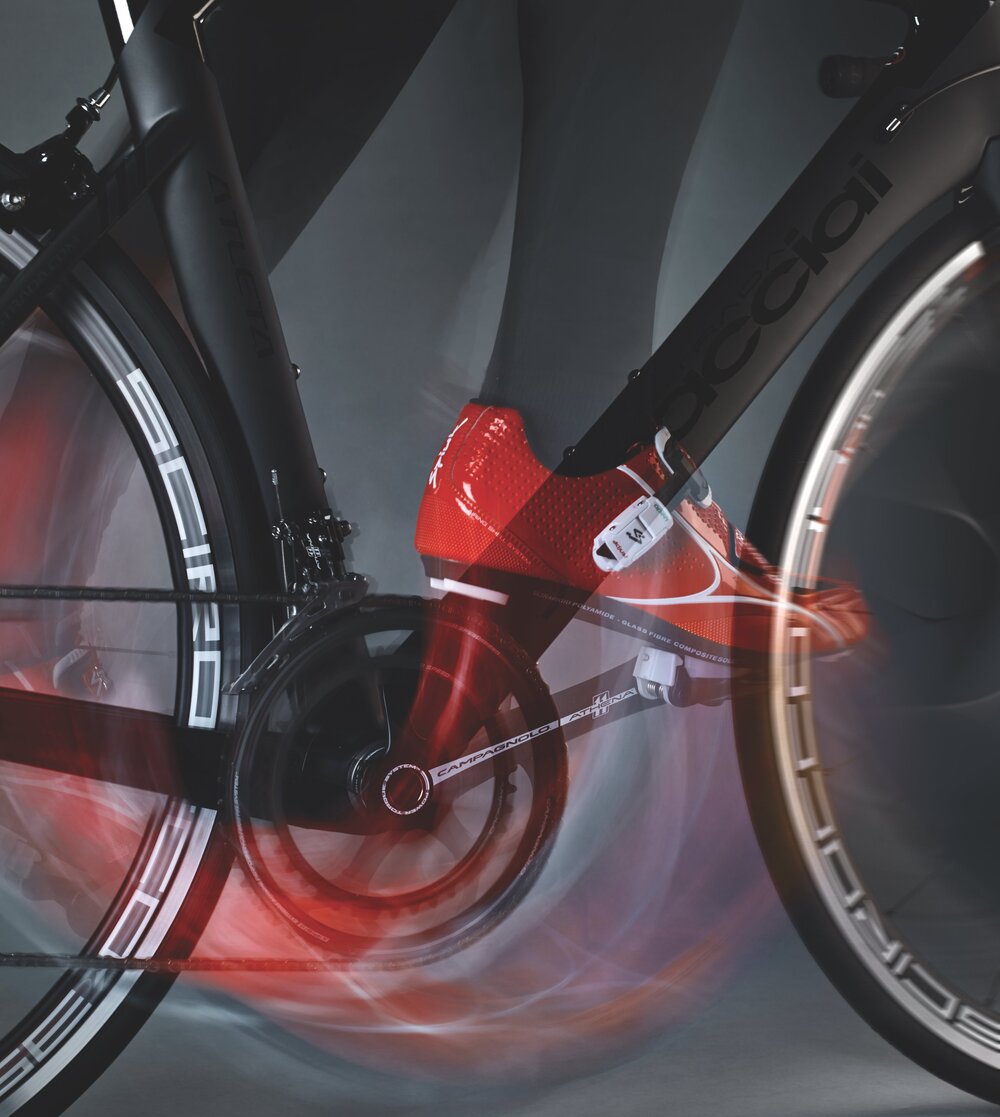
- Experiment with different cadences to find your most efficient pedaling rate. Most cyclists perform best between 80-100 RPM.
- Practice high-cadence drills to improve your ability to pedal quickly and efficiently.
- Use your bike computer or smartwatch to monitor your cadence during rides.
2. Improve Your Bike Fit
- A proper bike fit can significantly impact your speed and efficiency.
- Consider getting a professional bike fit to ensure your position is optimized for power and aerodynamics.
- Small adjustments to saddle height, handlebar position, and cleat placement can make a big difference.
3. Work on Your Technique
- Focus on a smooth, circular pedal stroke rather than just pushing down.
- Practice riding in a more aerodynamic position to reduce wind resistance.
- Improve your cornering skills to maintain speed through turns.
4. Strengthen Your Core and Improve Flexibility
- A strong core helps transfer power more efficiently and maintains proper form.
- Increased flexibility, especially in your hips and hamstrings, can improve your pedaling efficiency.
- Consider incorporating yoga or Pilates into your training routine.
5. Upgrade Strategically
- Use the bike speed calculator to identify which upgrades will give you the most significant speed benefits.
- Consider aero wheels, a more aerodynamic helmet, or faster-rolling tires.
- Remember, the best upgrade is often improving your fitness rather than your equipment.
6. Practice Drafting (for Group Rides and Races)
- Riding closely behind another cyclist can save up to 30% of your energy.
- Learn to ride safely in a paceline to take advantage of drafting in group rides.
7. Improve Your Nutrition and Hydration
- Proper fueling before and during rides can help maintain your speed over longer distances.
- Stay well-hydrated to perform at your best.
- Experiment with different energy gels, bars, and drinks to find what works best for you.
8. Train with Intervals
- High-intensity interval training can significantly improve your speed and power.
- Use the bike speed calculator to set specific speed targets for your intervals.
9. Work on Your Mental Game
- Develop strategies to push through discomfort and maintain focus during hard efforts.
- Visualize success and practice positive self-talk during challenging rides or races.
10. Regular Maintenance
- Keep your bike clean and well-maintained. A smooth-running drivetrain is more efficient.
- Regularly check tire pressure and keep your tires inflated to the appropriate level for your weight and riding conditions.
Remember, improving your cycling speed is a journey that combines understanding the mechanics (as provided by our Bike Speed Calculator) with consistent training, proper technique, and smart equipment choices. Use these tips in conjunction with the insights from the calculator to develop a comprehensive approach to enhancing your cycling performance.
In our next section, we'll address some frequently asked questions about bike speed, gearing, and using the calculator.
Directly jump to Bike Speed Calculator
Frequently Asked Questions about the Bike Speed Calculator
As you delve deeper into understanding and improving your cycling speed, you may have some questions. Here are answers to some of the most common queries:
1. Q: How accurate is the Bike Speed Calculator?
A: The calculator provides a theoretical speed based on ideal conditions. It's highly accurate in terms of the mathematics involved, but real-world factors like wind resistance, terrain, and rider fitness will affect your actual speed.
2. Q: What's the ideal cadence for cycling?
A: While this can vary between individuals, most cyclists find a cadence between 80-100 RPM to be efficient. However, the optimal cadence can depend on factors like your fitness level, riding style, and the terrain.
3. Q: How does changing my gear ratio affect my speed?
A: A higher gear ratio (more teeth on the front chainring compared to the rear cog) will result in a higher speed for the same cadence, but will require more force to pedal. A lower gear ratio is easier to pedal but results in a lower speed at the same cadence.
4. Q: Does a larger wheel always mean higher speed?
A: Not necessarily. While larger wheels cover more distance per revolution, they can be heavier and may require more effort to accelerate. The overall effect on speed depends on various factors, including the type of riding you're doing.
5. Q: How can I use the calculator to choose the right gearing for a hilly route?
A: Use the calculator to find gear combinations that allow you to maintain a comfortable cadence at slower speeds for climbs, while still providing enough high-end gearing for descents and flat sections.
6. Q: Is it better to have a higher cadence or a higher gear for speed?
A: This depends on the situation and your personal physiology. Generally, a moderately high cadence (85-95 RPM) in an appropriate gear is most efficient. Use the calculator to find the right balance for you.
7. Q: How does tire width affect the calculator's accuracy?
A: The calculator uses standard wheel sizes and doesn't account for variations in tire width. Wider tires can slightly increase the effective wheel diameter, potentially leading to small differences in actual speed.
8. Q: Can I use the calculator for recumbent bikes or other non-standard cycles?
A: Yes, as long as you can input the correct wheel size and gearing information. However, keep in mind that the aerodynamics of these bikes can significantly affect real-world speeds.
9. Q: How often should I adjust my gearing?
A: This depends on your riding style and terrain. Use the calculator to experiment with different setups, but don't change your gearing too frequently. Give yourself time to adapt to a new setup before making further changes.
10. Q: Can the calculator help me choose the right bike?
A: While the calculator can help you understand the speed potential of different gear and wheel size combinations, choosing the right bike involves many other factors. Use it as one tool in your decision-making process, alongside considerations like comfort, intended use, and budget.
Remember, the Bike Speed Calculator is a powerful tool, but it's most effective when combined with your personal experience and knowledge of your own riding style and capabilities. Use it to inform your decisions, but always consider real-world factors in your cycling strategy.
In our final section, we'll wrap up with some concluding thoughts on using the Bike Speed Calculator to enhance your cycling experience.
Directly jump to Bike Speed Calculator
Empowering Your Cycling Journey with Knowledge
As we wrap up our exploration of the Bike Speed Calculator and its applications, it's important to reflect on the broader implications of this tool for your cycling journey.
The Bike Speed Calculator is more than just a number-crunching device; it's a window into the intricate relationship between your bike's mechanics and your own physiology. By understanding this relationship, you're equipped to make more informed decisions about your cycling equipment, training, and strategy.
Key Takeaways:
1. Informed Decision-Making: Whether you're considering a gear change, planning a race strategy, or shopping for a new bike, the calculator provides you with data to support your choices.
2. Optimized Training: By understanding the interplay between cadence, gear ratios, and speed, you can structure your training more effectively, focusing on the areas that will yield the greatest improvements.
3. Enhanced Understanding: The calculator helps demystify the technical aspects of cycling, allowing you to appreciate the sport on a deeper level.
4. Personalized Approach: Remember that while the calculator provides theoretical data, your personal experience and preferences play a crucial role in your cycling performance.
5. Continuous Improvement: Use the calculator as a tool for ongoing learning and improvement, regularly reassessing your setup as your fitness and goals evolve.
As you continue your cycling journey, we encourage you to use the Bike Speed Calculator as a starting point for exploration and experimentation. Combine the insights gained from this tool with your real-world experiences, listen to your body, and don't be afraid to challenge conventional wisdom.
Cycling is as much an art as it is a science, and tools like our calculator help bridge the gap between the two. By leveraging this knowledge, you're not just working towards becoming a faster cyclist – you're becoming a smarter, more engaged athlete.
Remember, every great cycling achievement starts with understanding and preparation. Let the Bike Speed Calculator be your companion in setting new goals, overcoming challenges, and unlocking your full potential on two wheels.
Happy cycling, and may your journeys be swift, safe, and thoroughly enjoyable!


