MET Trenta 3K Carbon 2 MIPS Road Cycling Helmet
$3,150.00
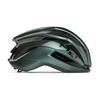
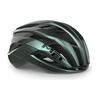
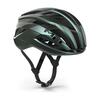
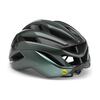
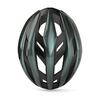
Color Options
 Hyper Teal
 Matte Black
 Opal Gray
 White Glossy
Size Options
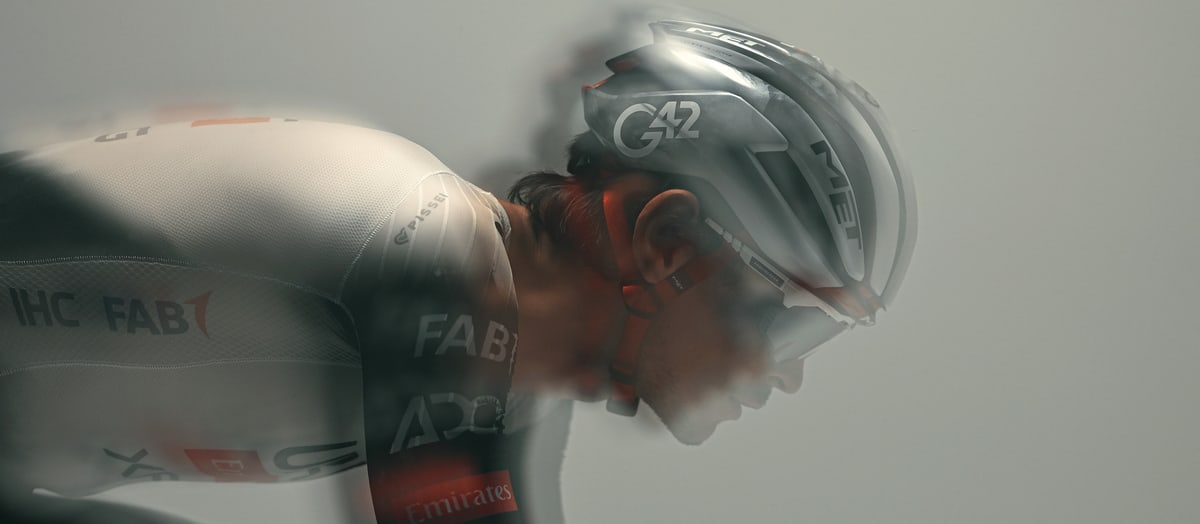
Official photo; the rider wears a team livery. Colours on sale are as listed on this page.
A cool head on slow summer climbs, with wind on your forehead — that is how reviewers describe the new-generation Trenta; test editors add that it sits deep over the forehead and the back of the head for a reassuring, protected feel, and stays comfortable over long hours. This is the MET Trenta 3K Carbon 2 MIPS road cycling helmet: developed by MET with world champion Tadej Pogačar, UAE Team Emirates and UAE Team ADQ, and already raced to victory at the 2025 Tour de France, the UCI Road World Championships and the Giro d'Italia Women. "The air has changed, and so has the standard" — it is built for a sport that gets faster every year, keeping your head cooler in the heat and better protected in a crash.
Official MET launch film introducing the design, wind-tunnel testing and team use of the new Trenta 3K Carbon.
A Tour de France, World Championships and Giro d'Italia Women winner, developed with Tadej Pogačar and the UAE teams
Racing does not wait. MET's launch story opens with exactly that: every year the speed rises and the gaps tighten, and the new Trenta is built for this era. Since the first generation in 2017, MET has refined the line through thousands of hours of testing, race days and real crash data; this generation has already been raced to victory at the UCI Road World Championships, the 2025 Tour de France and the Giro d'Italia Women.
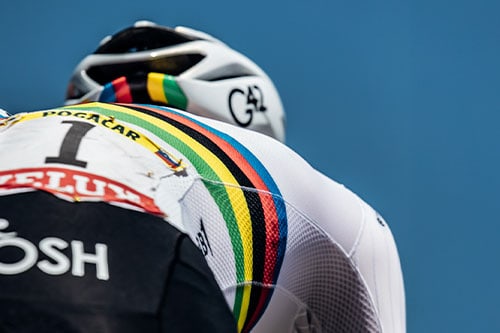
Official race photo; riders wear team or champion liveries. Colours on sale are as listed on this page.
This helmet was developed in direct collaboration with riders from Tadej Pogačar, UAE Team Emirates XRG and UAE Team ADQ. Every WorldTour season, the teams send 20–30 crashed helmets back to MET for analysis; the deeper rear profile of this generation is the result of data gathered from hundreds of crashed helmets, and it is the most visible change in the new shape.
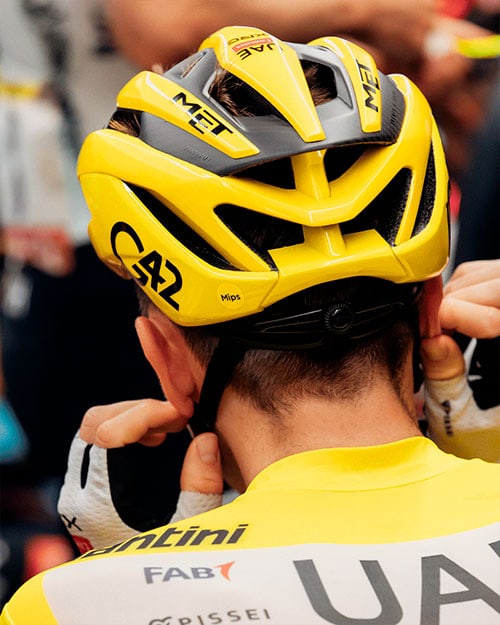
Official race photo; riders wear team or champion liveries. Colours on sale are as listed on this page.
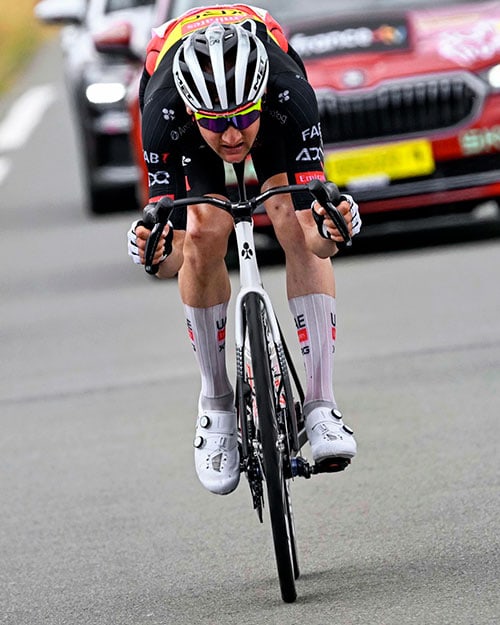
Official race photo; riders wear team or champion liveries. Colours on sale are as listed on this page.
Key highlights
- Racing pedigree: winner at the Tour de France, UCI Road World Championships and Giro d'Italia Women, developed with Tadej Pogačar and the two UAE teams
- Category: ventilated road cycling helmet
- Brand: MET (Italy)
- Sizes: S 52–56 cm / M 56–58 cm / L 58–61 cm, with a longer, narrower inner shape (see the size confirmation section below)
- Core structure: 3K Airframe carbon wing skeleton in place of a foam inner frame, 24 vents, air moves straight from front to back
- Protection: Mips Air Node; 40% better impact performance than the previous generation in official testing, 5-star Virginia Tech rating, CE certified
- Weight: 250 g (S) / 260 g (M) / 290 g (L), per official CE data
- Included: soft helmet bag
- Best for: hot-weather endurance rides, racing and gran fondos, and riders who value ventilation, low weight and proven protection data
24 vents and the 3K Airframe: a cool head on slow summer climbs
A summer climb up Tai Mo Shan — long gradients, low speed, fierce sun — is exactly when an ordinary helmet feels stuffiest. Reviewers and riders overseas, including tests in 35°C heat, describe the feeling of the Trenta in these conditions like this: wind on the forehead, less sweat above the brows, no need to keep wiping your face mid-ride. (These impressions come from reviewers and riders, not from Jollymap's own testing.)
The key is the 3K Airframe: a wing-shaped skeleton woven from 3K carbon fibre that replaces the traditional EPS foam inner frame. Air enters through the front vents, travels along the continuous channels between the carbon struts, flows over your head and exits at the back; the openings are large enough to almost see straight through. With less of the helmet touching your head, more of your scalp meets moving air. MET describes the effect like this: your head stays cool from climbs at around 12 km/h to descents at around 90 km/h.
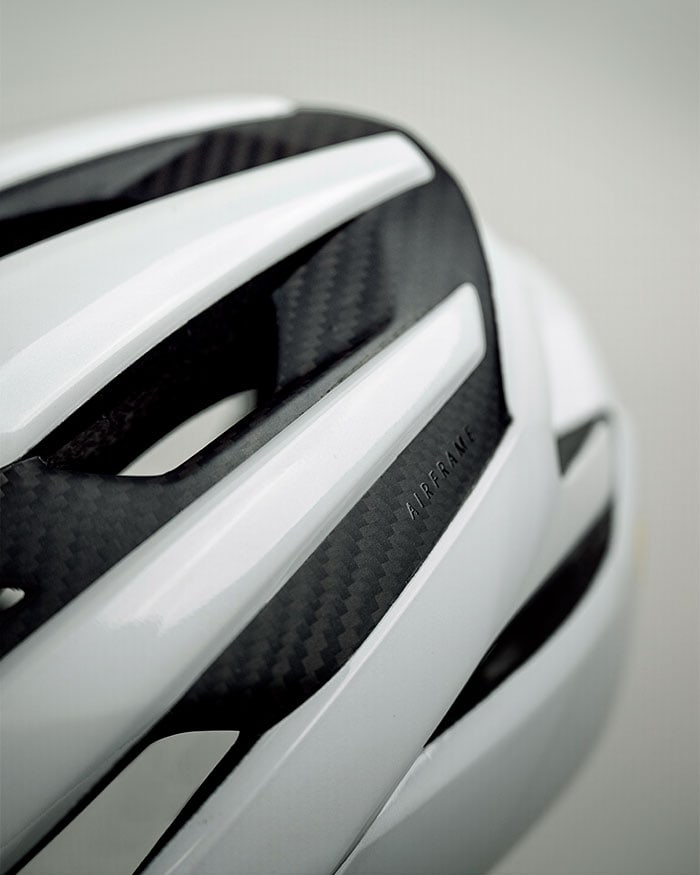
Official technical image. Colours on sale are as listed on this page.
All 24 vents work with the internal channels to guide air over the crown and out the back. According to MET's data, airflow is up 16% on the previous generation's internal channel design, and MET's product information also notes stable airflow at both high and low speeds.
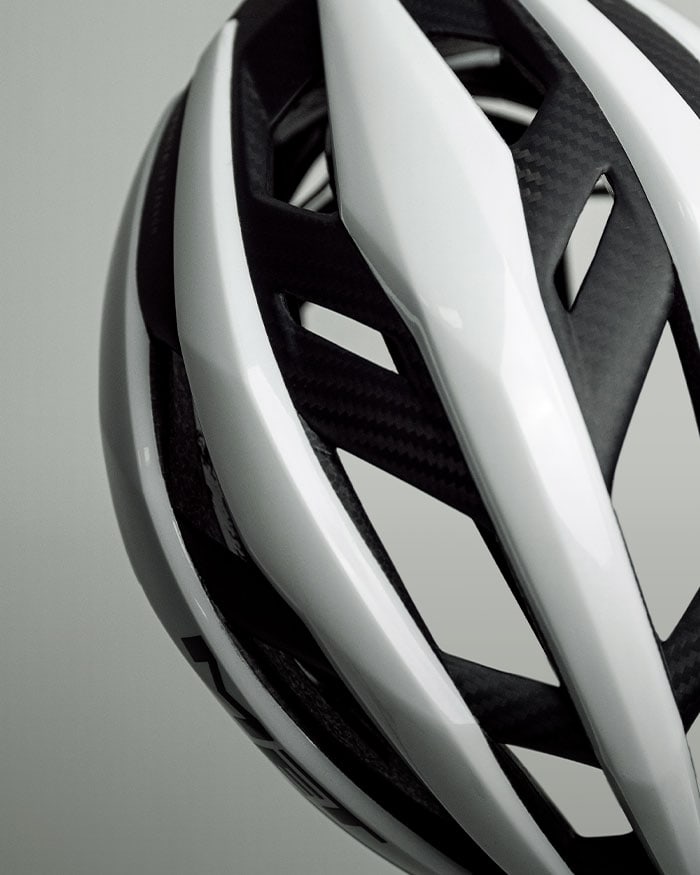
Official technical image. Colours on sale are as listed on this page.
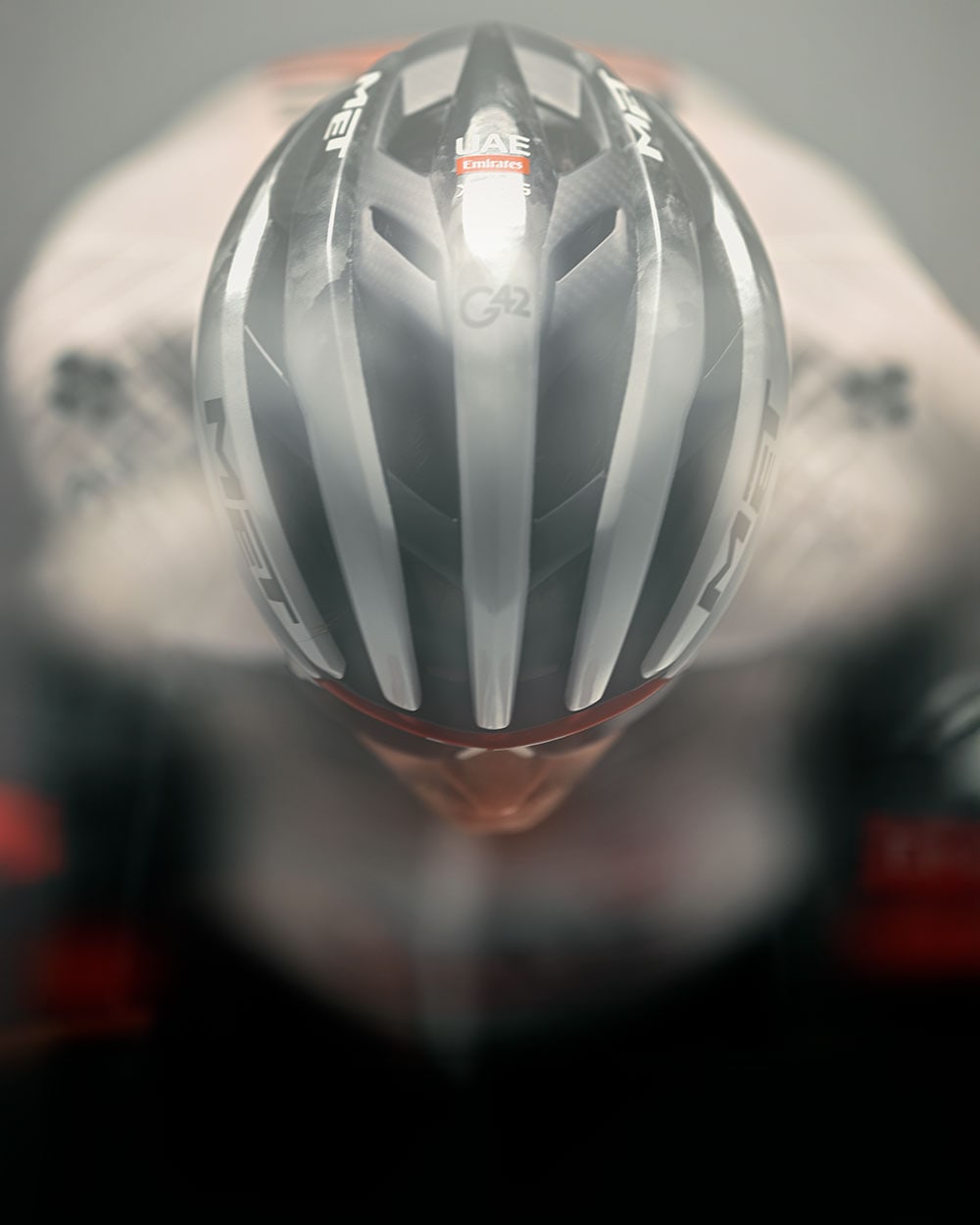
Official photo; the rider wears a team livery. Colours on sale are as listed on this page.
Professional teams understand the value of ventilation best. Jeroen Swart, performance director at UAE Team Emirates XRG, explains: only about 20–25% of a rider's energy becomes forward motion, and the rest turns into heat. In hot conditions riders clearly feel the difference of 16% more airflow, because more blood can go to the legs — in other words, more speed. Elisa Longo Borghini of UAE Team ADQ says she felt the difference from her very first ride at the Giro d'Italia Women: aerodynamic yet ventilated, and the summer heat was no longer a problem.
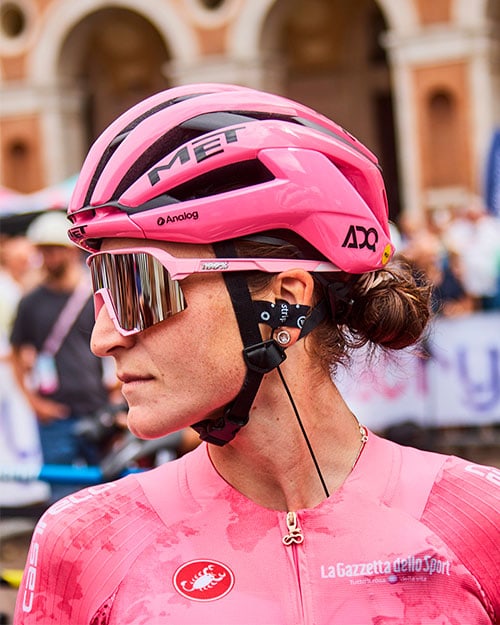
Official race photo; riders wear team or champion liveries. Colours on sale are as listed on this page.
Speed is as much a design goal as ventilation. MET repeatedly tested this helmet's drag and temperature in its own wind tunnel, The Tube, so that aerodynamics and ventilation could coexist — on race day, head down in the sprint, every bit of drag counts.
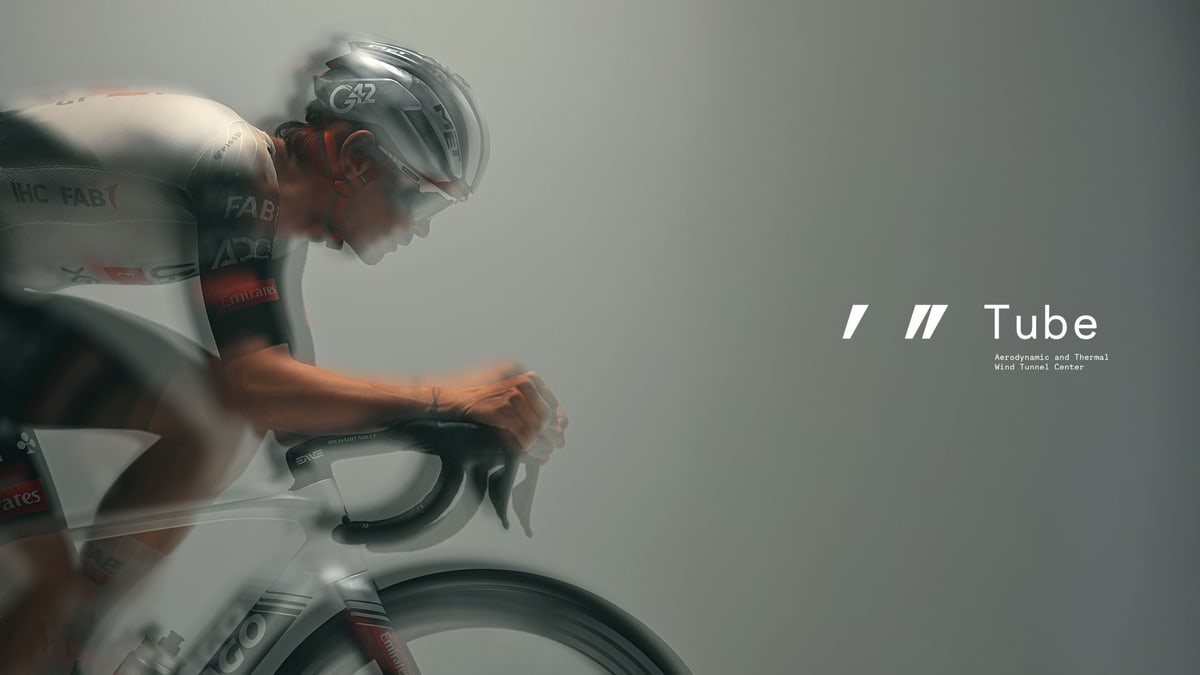
Official technical image. Colours on sale are as listed on this page.
How the Trenta 3K Carbon 2 compares with other popular helmets
Riders researching this helmet most often compare it with the MET Manta, Kask Protone, Giro Aries, Specialized Prevail 3 and POC Ventral. The differences riders talk about most are head shape and ventilation, not drag figures; below we only summarise information with sources, to help you find your match.
- Versus the MET Manta: the Manta is MET's aero-oriented helmet. Riders who prioritise climbing ventilation and hot-weather cooling choose the Trenta; some riders switch to the Manta for fast flat days or race day.
- Versus the Kask Protone Icon: professional reviews describe the Protone Icon's inner shape as rounder and wider, while the Trenta is longer and narrower. Riders with wider heads who want a rounder, broader inner shape can look at the KASK (I) PROTONE Icon Helmet.
- Versus Giro and Lazer: riders who want more airflow over the crown on slow, hot climbs say they felt noticeably cooler after switching to the Trenta, with less sweat above the brows on climbs.
- Versus the Specialized Prevail 3 and POC Ventral: looks are subjective, and the Trenta's inner shape runs longer and narrower. One rider with a roughly 60 cm, narrow and deep head compared them — writing about the previous generation — and found the Trenta the closest-fitting helmet he had worn.
Compared with the previous-generation Trenta 3K
This page is the new-generation Trenta 3K Carbon 2; the previous MET Trenta 3K Carbon MIPS® Road Cycling Helmet remains on sale. Here is how the two generations compare on MET's official data:
| Item | Trenta 3K Carbon 2 (this page, new generation) | Trenta 3K (previous generation) |
|---|---|---|
| Internal skeleton | 3K Airframe carbon wing skeleton, no foam inner frame | Foam (EPS) inner frame |
| Official airflow data | 16% more airflow than the previous internal channel design | Reference baseline |
| Official impact testing | 40% better linear and rotational impact performance than the previous generation | Reference baseline |
| Rear profile | Deeper, redesigned from data on hundreds of crashed race helmets | Previous profile |
If you are after a special colourway, note that the following three limited editions belong to the previous-generation Trenta 3K, which uses a foam (EPS) inner frame — a different structure from this page's 3K Airframe carbon skeleton: the MET Trenta 3K Carbon MIPS® Road Cycling Helmet UAE Team Emirates XRG 2025, the MET Trenta 3K Carbon MIPS® Road Cycling Helmet Tadej Pogačar Limited Edition and the MET Trenta 3K Carbon MIPS® Road Cycling Helmet Jaune Limited Edition.
Mips Air Node and a 5-star Virginia Tech rating: 40% better impact performance than the previous generation
Fast descents and tight corners in the bunch — road riding always carries some risk, which is exactly why a helmet's impact data is worth a close look. In official impact testing, this generation improves linear and rotational impact performance by 40% over the previous model, and MET's official information shows a 5-star Virginia Tech helmet rating. MET's head of development notes that road crashes are becoming more severe, so the EPS body uses a dual-density design that places cushioning material where it is needed — aiming to reduce the risk of serious impacts while keeping ventilation high and weight low.
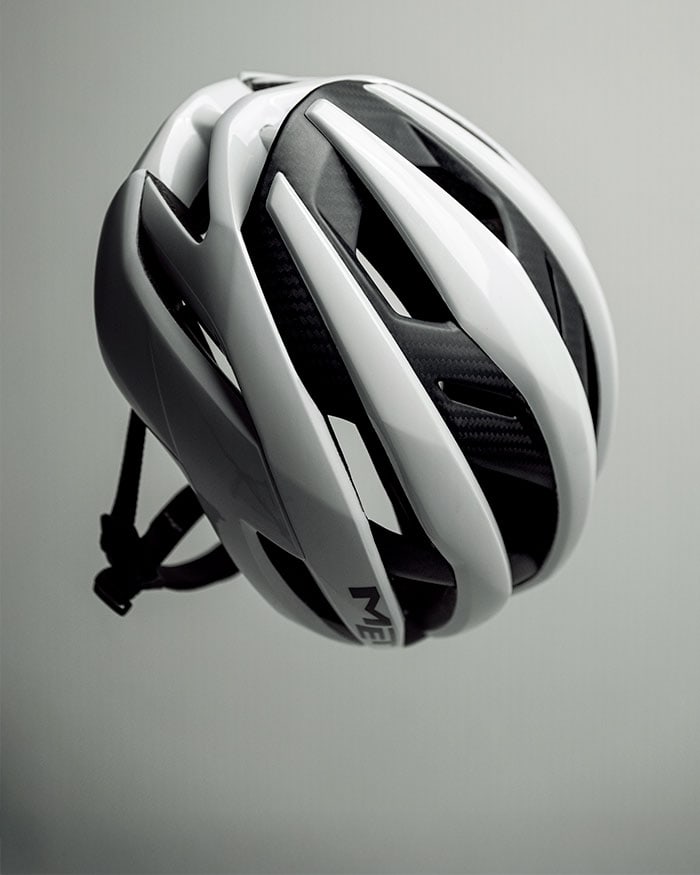
Official technical image. Colours on sale are as listed on this page.
Protection against rotational impacts comes from Mips Air Node: the low-friction layer is built directly into the padding, allowing a small sliding movement between helmet and head on impact to redirect rotational forces. The pads are thin and close-fitting, giving a direct feel and keeping the helmet light.
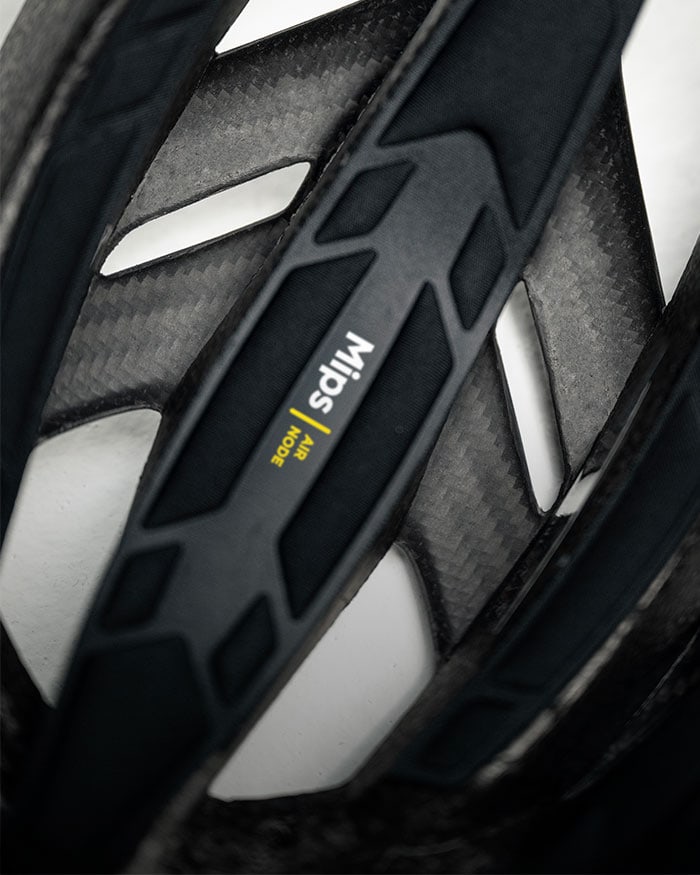
Official technical image. Colours on sale are as listed on this page.
Final fit is tuned by the Safe-T Orbital system: a dial tightens the cradle around the whole head with 360° adjustment, plus height and occipital tuning, spreading pressure evenly so no single spot bears the load — four or five hours into a long ride, that even, close feel directly affects how you feel.
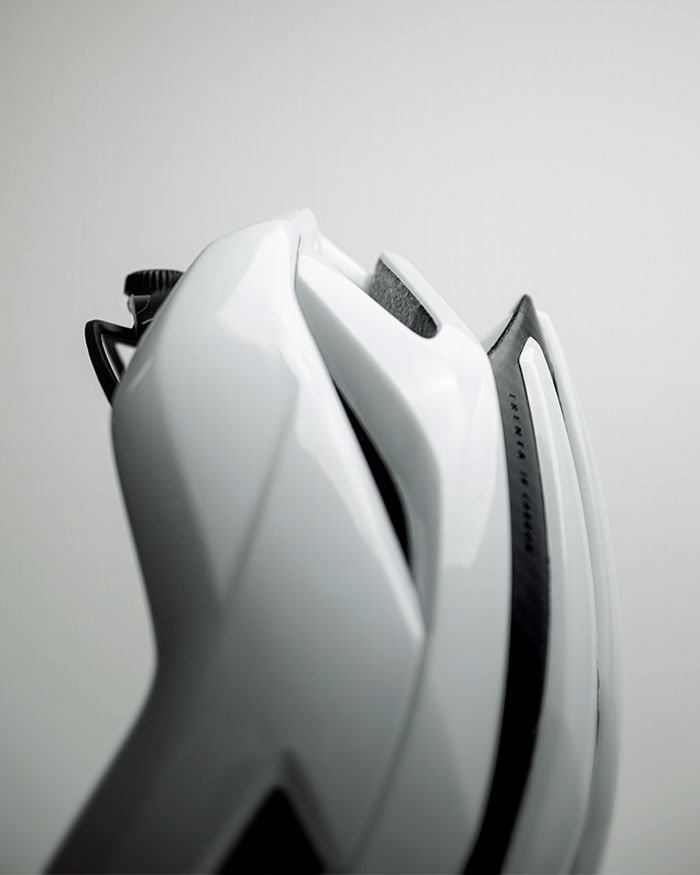
Official technical image. Colours on sale are as listed on this page.
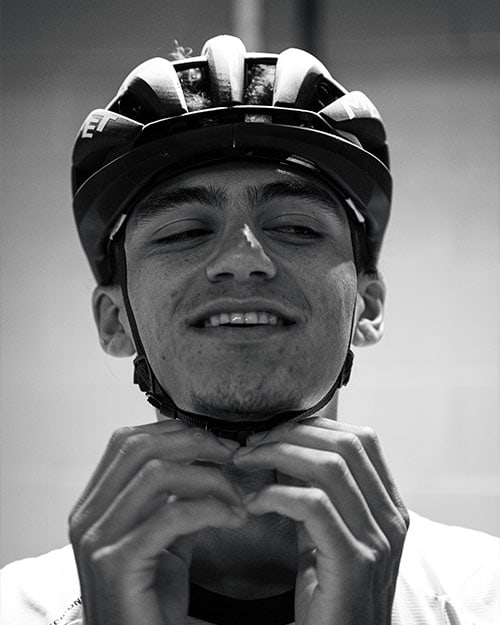
Official race photo; riders wear team or champion liveries. Colours on sale are as listed on this page.
For the shell, a fully wrapped polycarbonate shell encloses the EPS body, keeping the overall volume compact and the helmet comfortable over long hours; the deeper rear profile comes from MET's analysis of hundreds of helmets crashed across WorldTour seasons, and it is the most visible change in this generation's shape.
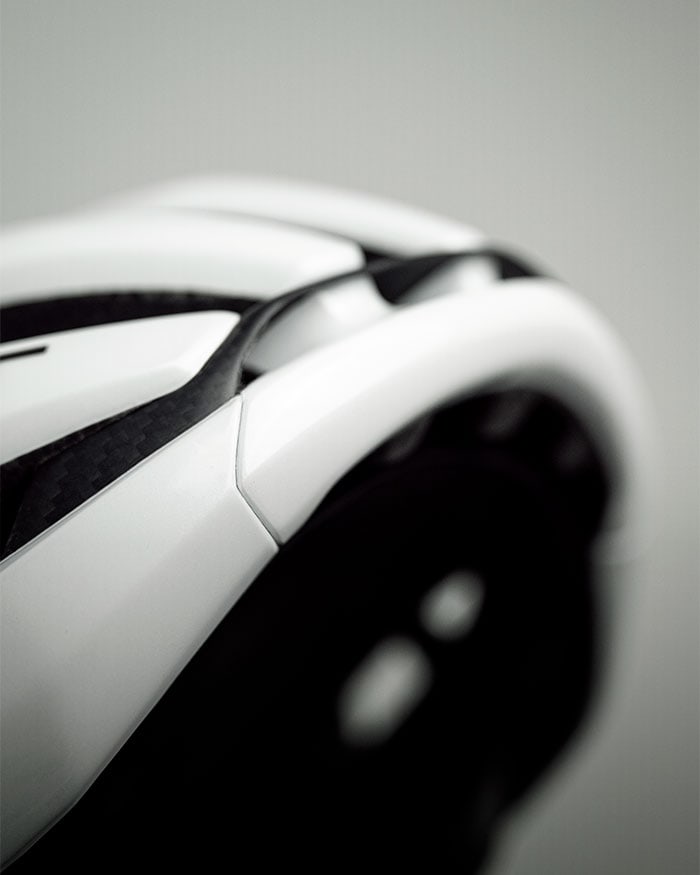
Official technical image. Colours on sale are as listed on this page.
To be clear: no helmet can guarantee freedom from injury, and the right size worn correctly matters just as much (see the size confirmation section below). One rider of the previous-generation Trenta went over the handlebars in a crash and landed on his head; in a retailer review afterwards, he said the helmet did its job.
Weight: 260 g in size M — light enough to forget on long rides
Official CE figures: 250 g for S, 260 g for M and 290 g for L. Some riders describe wearing it for hours as so light they barely feel a helmet on their head, using the same helmet for long training rides and daily commutes. Professional reviews note that this generation is slightly heavier than the last, in exchange for higher protection figures — on a helmet, that is weight worth having.
Sunglasses docking: how secure it is depends on your temple arms
On the way back from Plover Cove or Shing Mun, the group pace is quick and the road has its bumps — whether sunglasses stay put once docked on the helmet is one of riders' biggest concerns. (These impressions also come from reviewers and riders.) For wearing glasses, professional reviewers tried brands including Oakley, POC, Scicon and Koo, and the temple arms did not clash with the helmet. For docking, the front vents have dedicated eyewear ports, but how secure the hold feels depends on the length of your temple arms and their rubber grippers: one rider calls it the most secure glasses dock he has used, while others report certain frames slipping out. We recommend giving the glasses a gentle shake to check after docking, before you ride on.
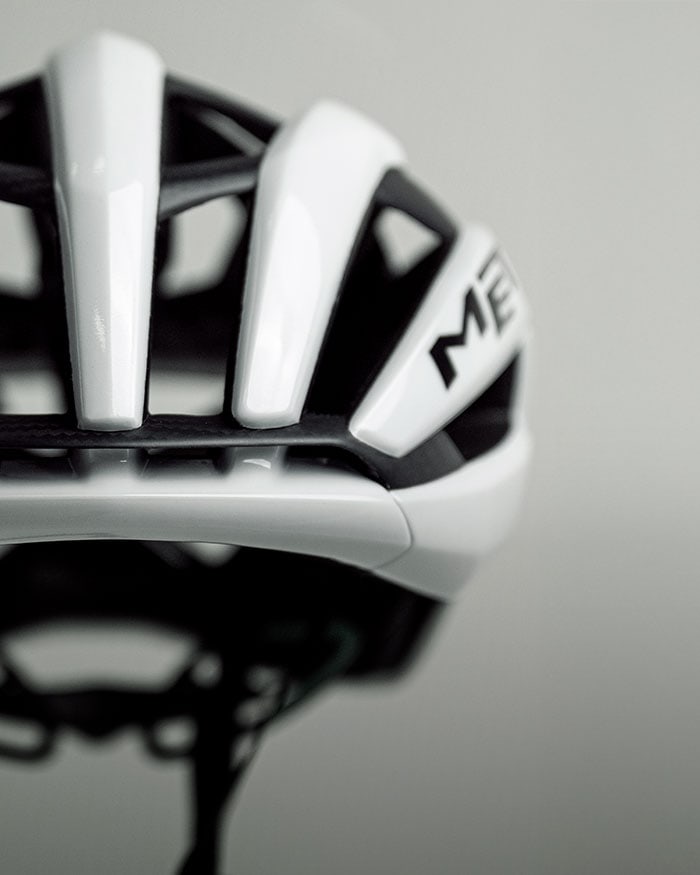
Official technical image. Colours on sale are as listed on this page.
The Air Lite straps are thin and breathable, with an adjustable divider under the ear to suit different face shapes.
Four standard colours
This page sells the four standard colours: White Glossy, Hyper Teal Glossy, Black Matt and Opal Gray Glossy. All four share the same structure and official specifications; only the finish differs. Some riders say plainly that the carbon look is the reason to choose the 3K version; one rider decided to buy after spotting a white Trenta on a group ride. See the FAQ for how to care for the white finish. Note that the official specifications do not list reflective decals; for early-morning or dusk rides, a lighter-coloured helmet improves visibility, and a rear light helps further — for example the Giant Numen+ Aero Taillight 3 LED Light, the Lezyne FEMTO DRIVE REAR LED or the Lezyne Strip Drive Rear LED Light.
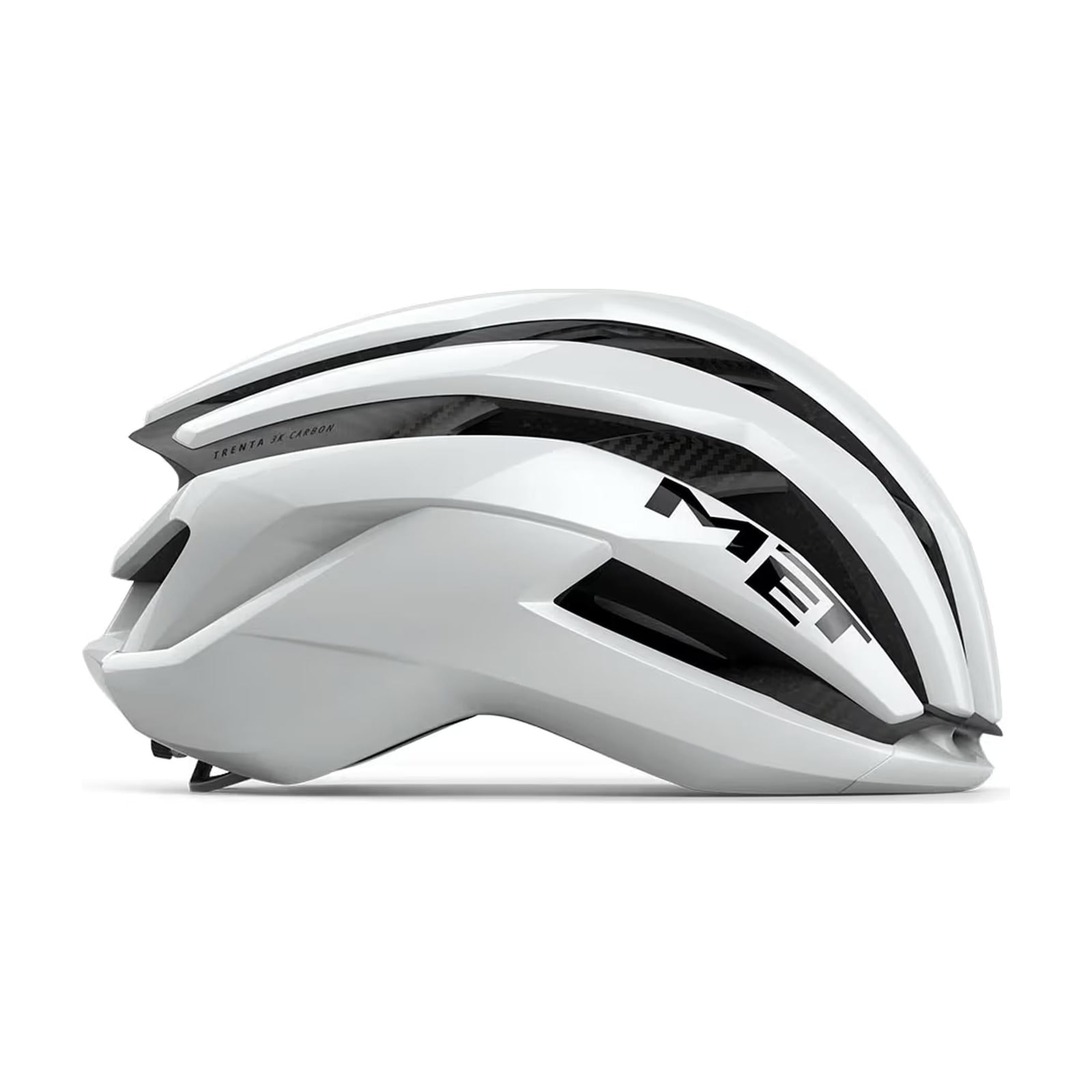
White Glossy.
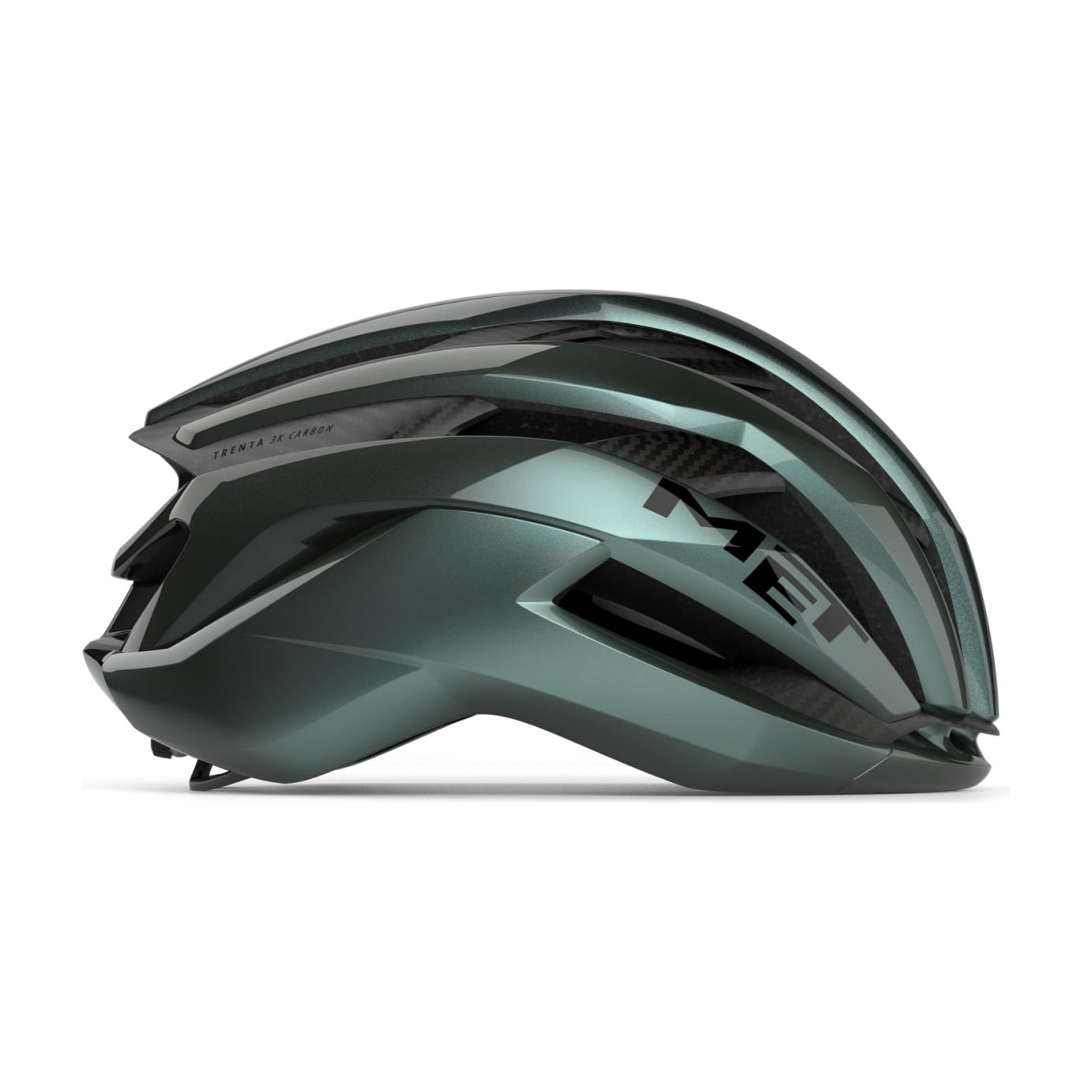
Hyper Teal Glossy.
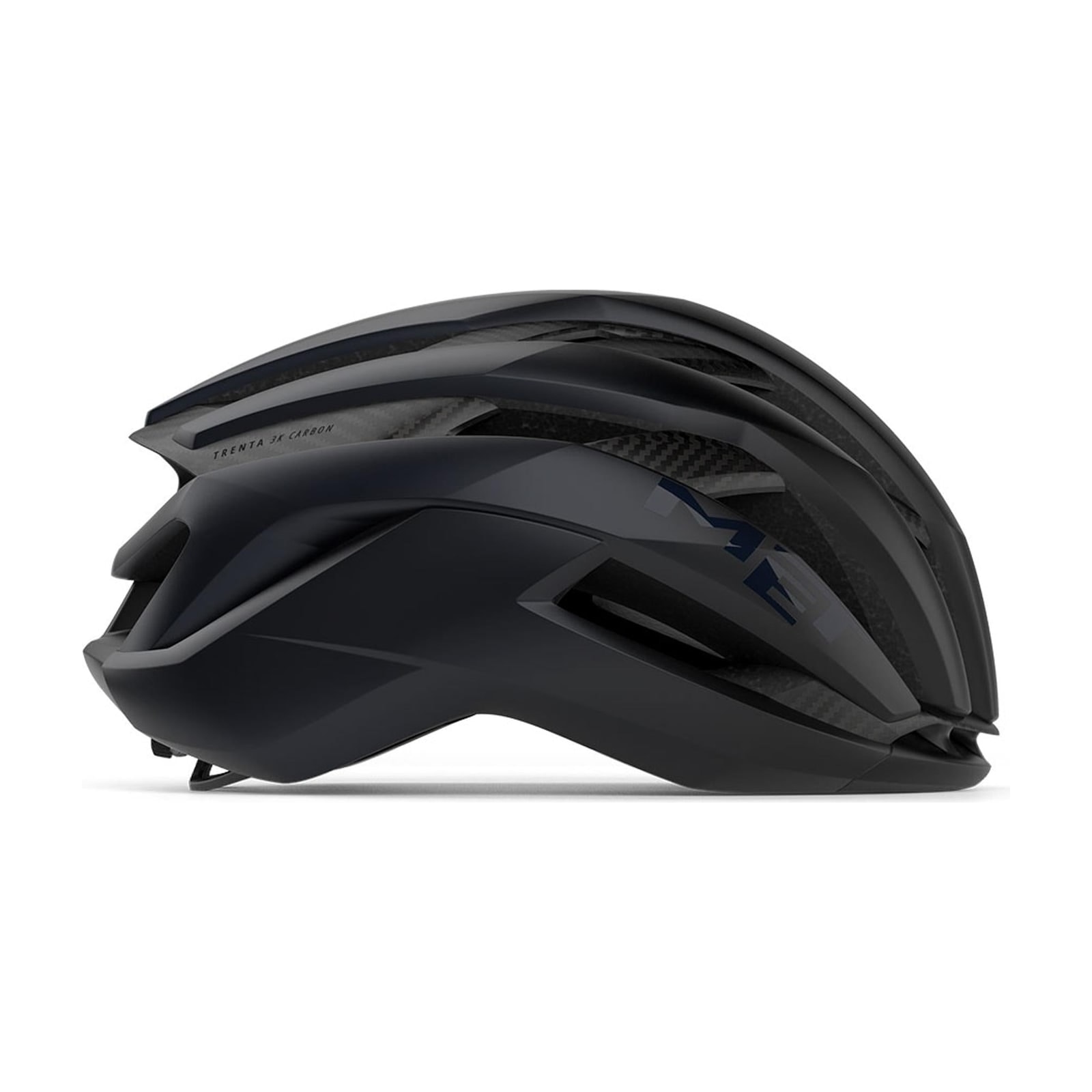
Black Matt.
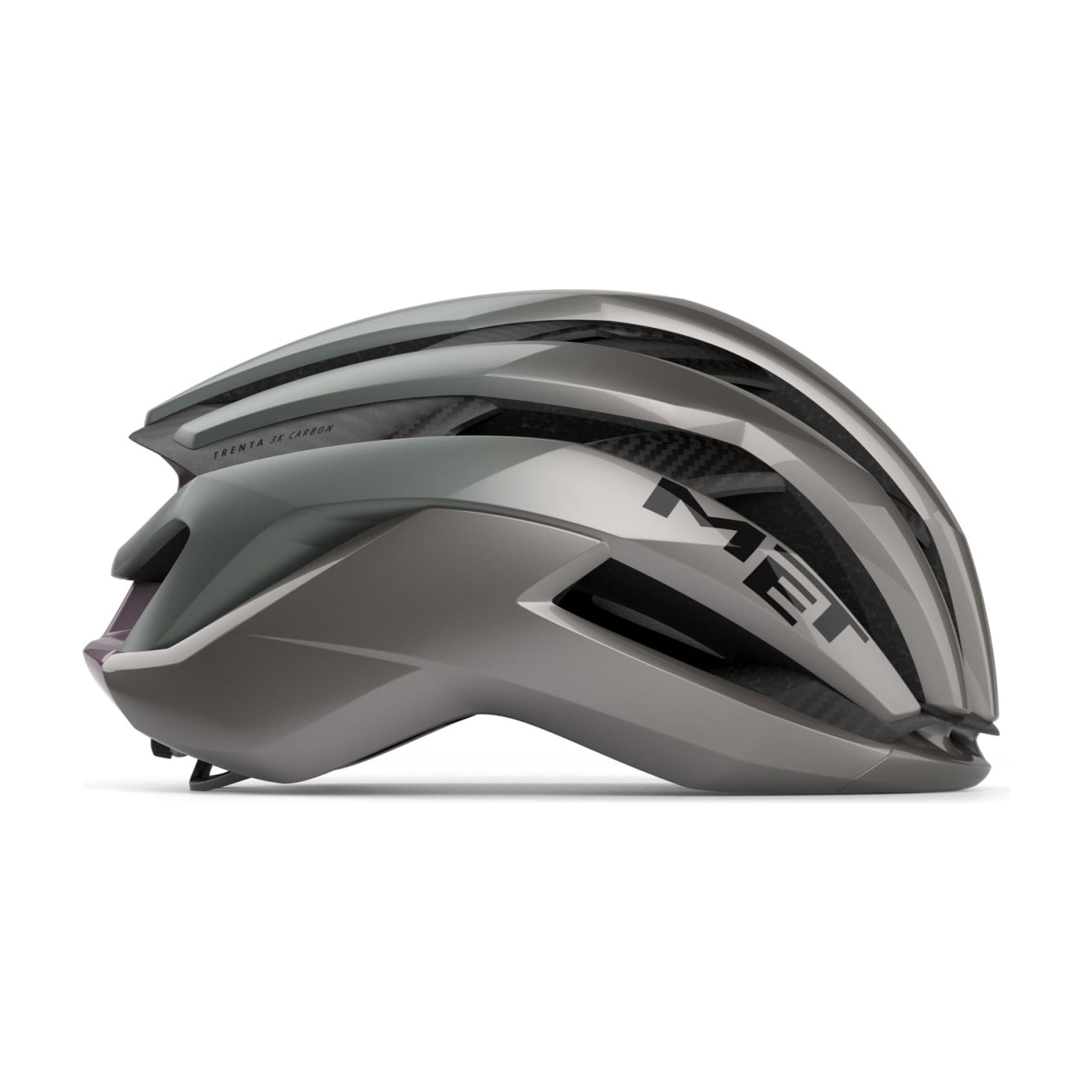
Opal Gray Glossy.
Who the Trenta 3K Carbon 2 suits
- Hot-weather endurance riders: riding for hours in summer heat and needing constant airflow over the head
- Racers and gran fondo riders: wanting low weight, heat management and aerodynamics for road races and long-distance challenge events
- Mixed-surface riders: suited to road, gravel and cross-country riding alike
- Data-driven riders: looking for a Mips protection system and a 5-star Virginia Tech rating
- Narrower, longer head shapes: the inner shape runs long and narrow; among previous-generation users, riders with narrow, deep heads describe a close fit without the domed look
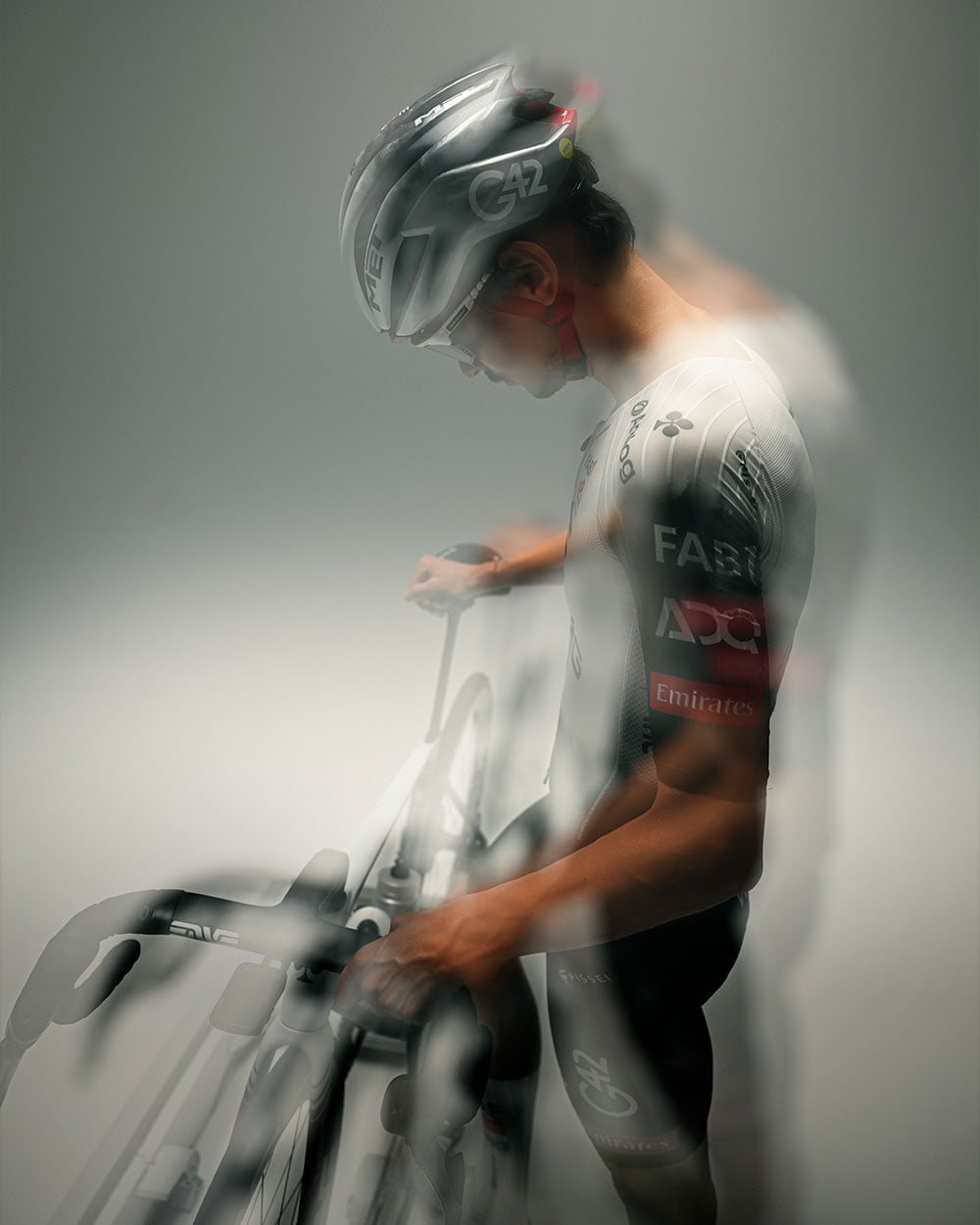
Official photo; the rider wears a team livery. Colours on sale are as listed on this page.
Confirm your size before ordering
A helmet can only protect you if it fits. We recommend measuring your head circumference first (wrap a soft tape around your head about 2 cm above your eyebrows) and checking the table below:
| Size | Head circumference | Weight |
|---|---|---|
| S | 52–56 cm | 250 g |
| M | 56–58 cm | 260 g |
| L | 58–61 cm | 290 g |
On head shape, professional reviews describe this helmet's inner shape as longer and narrower — longer and narrower than the Kask Protone Icon. MET says the internal shape has been redesigned for this generation (Optimized fit) and is slightly rounder than before, so more head shapes can wear it comfortably. One rider with a roughly 60 cm, narrow and deep head, writing about the previous-generation Trenta 3K, calls it the closest-fitting, least mushroom-like helmet he has worn; reviews also note that riders with wider heads, or those who like to wear a cap underneath, may find it snug.
If your head measures around 57–58 cm, take note: M tops out at 58 cm and L starts at 58 cm. Experiences differ from rider to rider: one rider with a 57 cm head chose M, found the forehead too tight and opted to exchange for L; another rider at 58 cm found M sat high, with more pressure when tightened, and only felt a close fit in L. New-generation reviews tell a different story: one editor with a 57 cm, rounder head could not wear the previous generation in M or L, yet this generation's M fits just right; staff at an overseas bike shop have also noted that this generation is slightly wider across than the last. Every head is different, and the feel of a size varies from rider to rider.
If you have any questions, feel free to contact us:
- Enquiry page: https://shop.jollymap.com/en-HK/enquiry/
- WhatsApp: https://jollymap.info/WhatsApp
- Store location: https://shop.jollymap.com/en-HK/pages/13
Full specifications
| Brand | MET |
| Model | Trenta 3K Carbon 2 MIPS |
| Category | Road cycling helmet |
| Sizes | S (52–56 cm) / M (56–58 cm) / L (58–61 cm) |
| Weight | S 250 g / M 260 g / L 290 g |
| Vents | 24, with internal channelling |
| Skeleton | 3K Airframe carbon wing skeleton |
| Shell | Full-wrap polycarbonate |
| Protection system | Mips Air Node |
| Fit system | Safe-T Orbital (360°, height and occipital adjustment) |
| Straps | Air Lite (adjustable divider) |
| Eyewear docking | Dedicated ports in the front vents |
| Certification | CE |
| Safety rating | Virginia Tech 5 stars |
| Colours | White Glossy, Hyper Teal Glossy, Black Matt, Opal Gray Glossy |
| Included | Soft helmet bag |
Specifications from MET official product data.
In the box
- MET Trenta 3K Carbon 2 MIPS helmet × 1
- Soft helmet bag × 1
Frequently Asked Questions (FAQ)
What size MET Trenta 3K Carbon 2 should I choose?
Choose by head circumference: S fits 52–56 cm, M fits 56–58 cm and L fits 58–61 cm. Measure around your head about 2 cm above your eyebrows with a soft tape; if you fall between two sizes, the rider experiences in the size confirmation section above may help.
My head measures 57–58 cm. Should I choose M or L?
By the official size chart, 57 cm sits within M (56–58 cm), while 58 cm is the boundary between M and L (L starts at 58 cm). Experiences differ: one 57 cm rider found M too tight at the forehead and opted to exchange for L; a 58 cm rider found M sat high and only L felt close; in new-generation reviews, one editor with a 57 cm, rounder head found M fits just right. Every head is different, and these experiences are for reference only. If you have any questions, feel free to contact us via WhatsApp or the enquiry page.
I have a wider head. Will this helmet suit me?
This helmet's inner shape runs long and narrow. Professional reviews describe it as longer and narrower than the Kask Protone Icon; among previous-generation users, riders with narrow, deep heads report a close fit without a domed look, while riders with wider heads, or those who wear a cap underneath, may find it snug. Measure your head circumference and check the chart in the size confirmation section above.
What is the difference between the new Trenta 3K Carbon 2 and the previous Trenta 3K?
The difference is in the internal skeleton and ventilation. The new generation replaces the foam inner frame with a 3K Airframe carbon skeleton and has 24 vents; according to MET, airflow is up 16% on the previous internal channel design, and impact-test performance is up 40% on the previous generation. The previous MET Trenta 3K Carbon MIPS® Road Cycling Helmet remains on sale.
Is the carbon version worth it?
With the 3K Carbon 2 you get tangible structure and data: the 3K Airframe carbon skeleton, a 24-vent ventilation design, the Mips Air Node protection system, a 5-star Virginia Tech rating and an official weight of 260 g in size M; many riders also say openly that the carbon look is the reason they chose this version. Riders who care about ventilation data, safety ratings and looks will find it worthwhile; whether you need these features is your call.
Does the white helmet get dirty or yellow easily?
A white helmet needs basic care, but it is not difficult. One rider says his white MET helmet still looks like new after three years of wiping it down; there is no long-term user verdict yet on the straps and sweat salt. We recommend wiping the shell with a slightly damp soft cloth after rides to keep it white.
Does this helmet have reflective decals?
The official specifications do not list reflective decals. For early-morning or dusk rides, choose a lighter colour for visibility and add a rear light such as the Giant Numen+ Aero Taillight 3 LED Light, the Lezyne FEMTO DRIVE REAR LED or the Lezyne Strip Drive Rear LED Light.
Can I store my sunglasses on the helmet?
Yes. The front vents have dedicated eyewear ports; professional reviewers wearing glasses from brands such as Oakley, POC, Scicon and Koo found no clash with the helmet. How secure the hold feels after docking depends on the length of your temple arms and their rubber grippers — give the glasses a gentle shake to check before riding on.
How much does this helmet weigh?
Weight depends on size: 250 g for S, 260 g for M and 290 g for L, according to MET's official CE data.
How often should a cycling helmet be replaced?
General guidance is to replace a helmet every three to five years, and immediately after any impact. The protective ability of EPS foam decreases after a crash, even when there is no visible damage.
How should I clean this helmet?
Rinse it by hand with lukewarm water, then leave it to dry at room temperature. The Mips Air Node padding is itself the low-friction layer: pull it out gently, and when refitting, align the front and back correctly and press each Velcro dot down firmly one by one — otherwise the Mips sliding function can be affected.
Where can I buy this helmet in Hong Kong?
It is available at Jollymap's online shop. Sizing information is in the size confirmation section above; if you have any questions, feel free to contact us via WhatsApp or the enquiry page.
Specifications and components follow the manufacturer's latest release and may change without notice. If in doubt, please contact us to confirm before ordering.
Last updated: 28 October 2026


