SRAM Rival XG-1250 Cassette CS-XG-1250-D1
$1,120.00
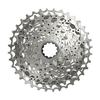
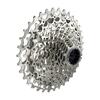
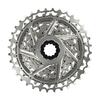
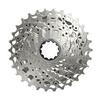
Color Options
 Silver
Size Options
A 10-tooth start and twelve smoothly stepped speeds: a close-ratio 10-30 for the flat, a 10-36 with a big climbing cog — two choices on one page. The SRAM Rival XG-1250 (CS-XG-1250-D1) is the Rival-level 12-speed cassette: the 10-30 keeps gears tight and your cadence steady on flat training rides along Tolo Harbour, while the 10-36 lets you stay seated and hold your cadence up the long climbs of Tai Mo Shan and Fei Ngo Shan.
Key features
- Category: 12-speed road and gravel cassette
- Brand: SRAM (USA), Rival level
- Ranges: 10-30 (part 00.2418.116.000) and 10-36 (part 00.2418.116.001), both on this page
- Weight: not officially published; third-party measured weights are about 343 g for the 10-36 and about 283 g for the 10-30
- Driver: XDR (road hub standard, 1.85 mm longer than the MTB XD standard); chain: SRAM Road Flattop D1 or E1
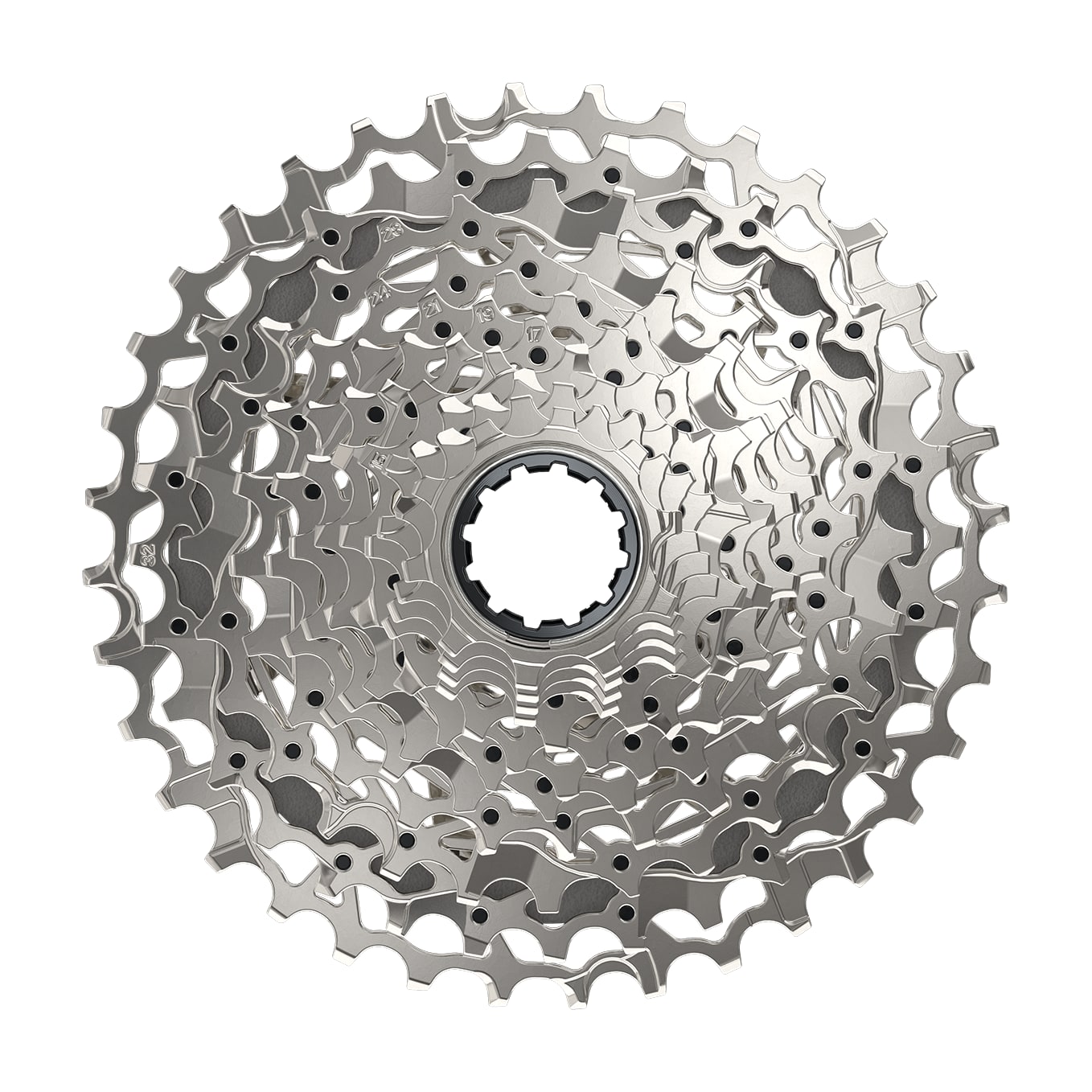
- Construction: FULL PIN — eleven stamped cogs held by 123 high-strength stainless steel pins
- Finish: silver nickel-chrome plating, which SRAM rates as quieter and more durable
- Best for: riders already on SRAM 12-speed who are replacing a worn cassette or gearing a second wheelset; pick 10-30 for mostly flat riding, 10-36 for regular climbing; works with 1x and 2x drivetrains
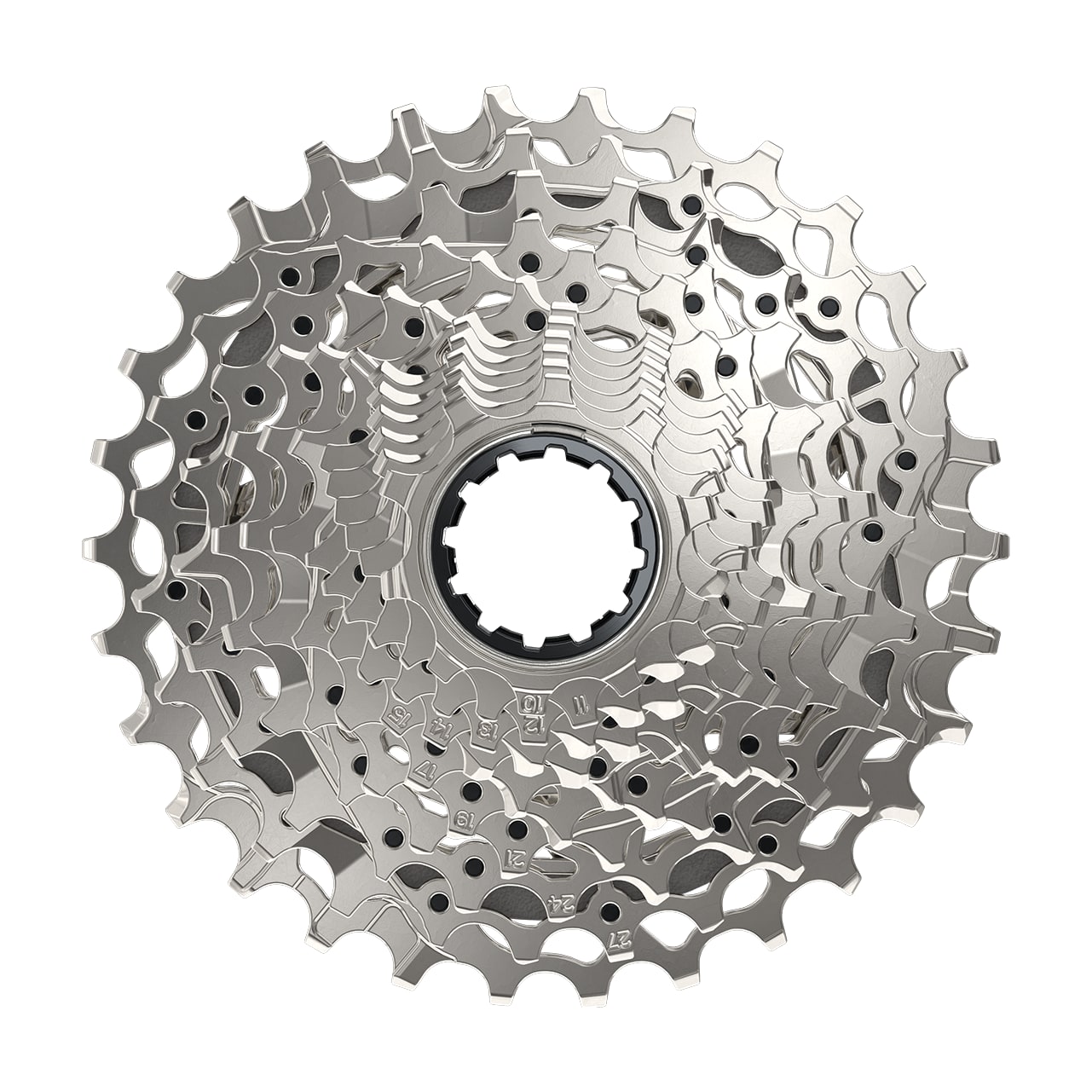
Design and technology: X-Range gearing, nickel-chrome plating, FULL PIN
X-Range: a 10-tooth start with smoother steps
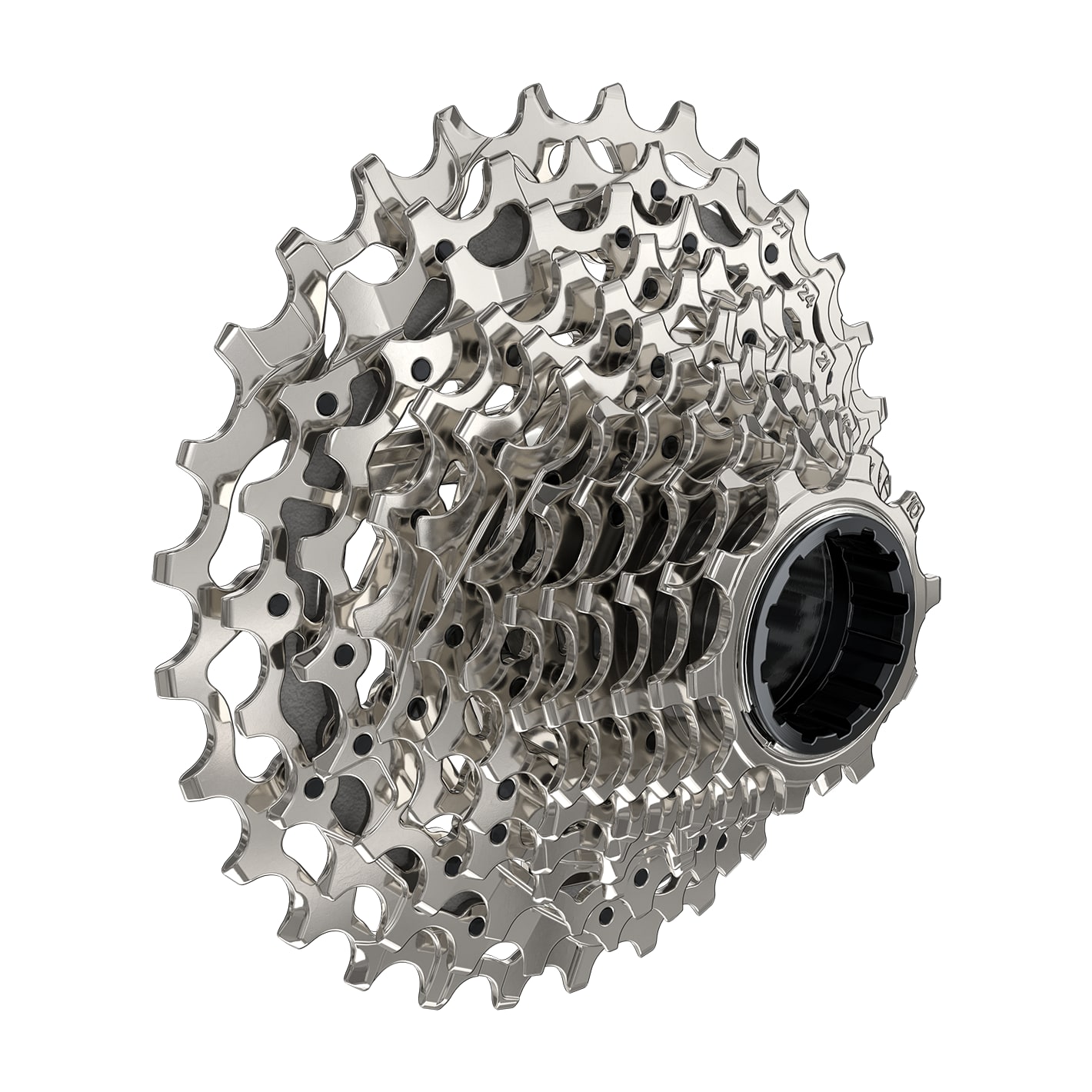
X-Range is SRAM's 12-speed gearing concept: it starts from a 10-tooth cog, keeps the gear progression smooth, and covers both road and gravel. On flat roads the steps between neighbouring gears stay small, so your cadence is easier to hold and you are not stuck between two gears. On the 10-36, the four smallest cogs (10-11-12-13) step up one tooth at a time, the middle block runs 15-17-19-21, and the four largest cogs (24-28-32-36) take bigger jumps. You can feel those jumps between the largest cogs, but at low climbing speeds they matter less. The D1 version carries over the proven previous-generation Rival cassette design — once dialled in, every click lands where it should, and you ride with confidence.
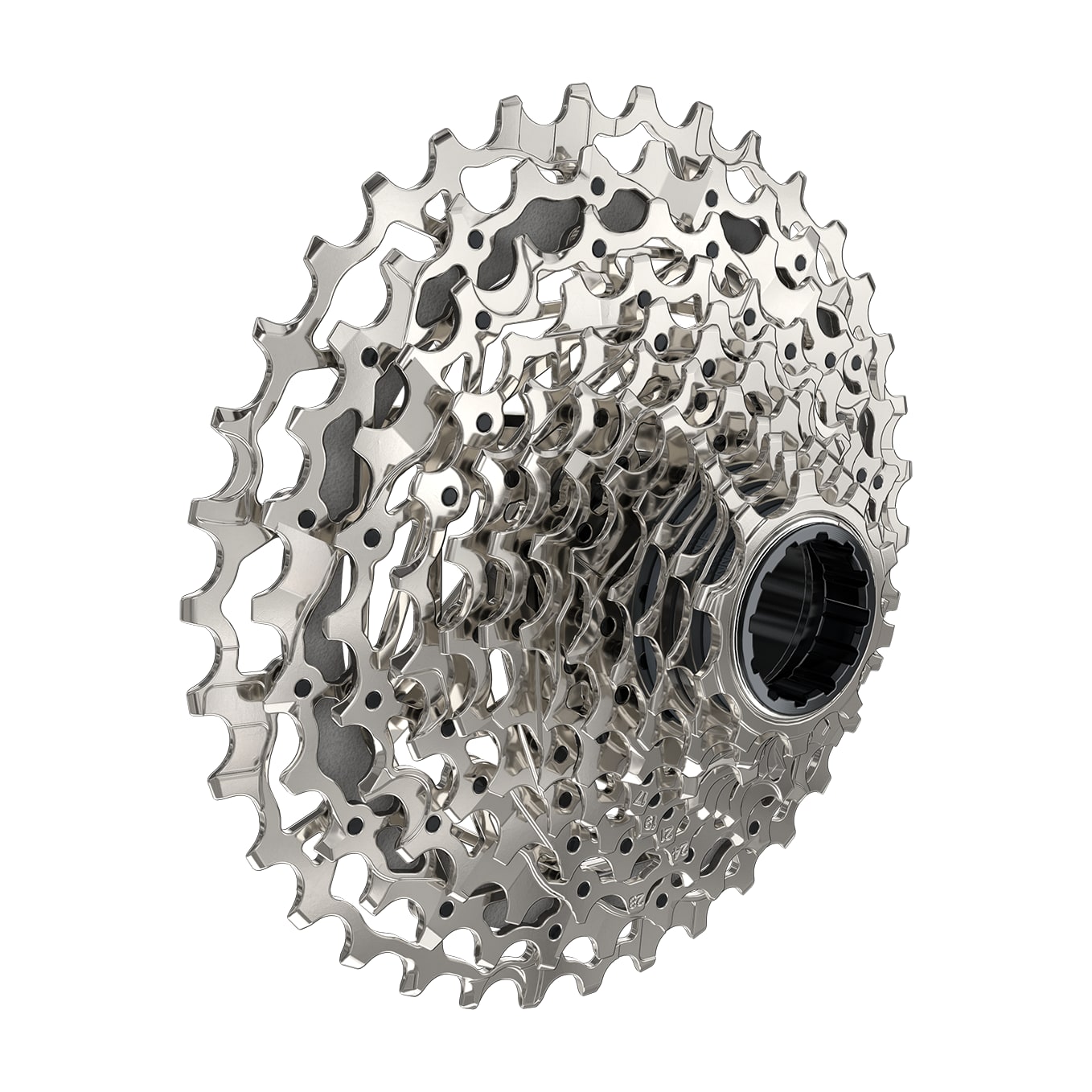
Nickel-chrome plating: quieter and more durable
The cogs wear a silver nickel-chrome plating. SRAM rates this finish as quieter in operation and more durable — a quieter drivetrain is something you appreciate on every early-morning training ride.
FULL PIN: an open design that helps clear mud
FULL PIN construction joins eleven stamped cogs with 123 high-strength stainless steel pins, leaving open space between the cogs. SRAM says this design aids mud clearance, keeps shifting clean and helps the parts last longer. On a weekend gravel ride the open structure helps clear mud and grit; swap the same bike back to road wheels with a 10-36 on Monday and ride as usual.
Choosing between 10-30 and 10-36
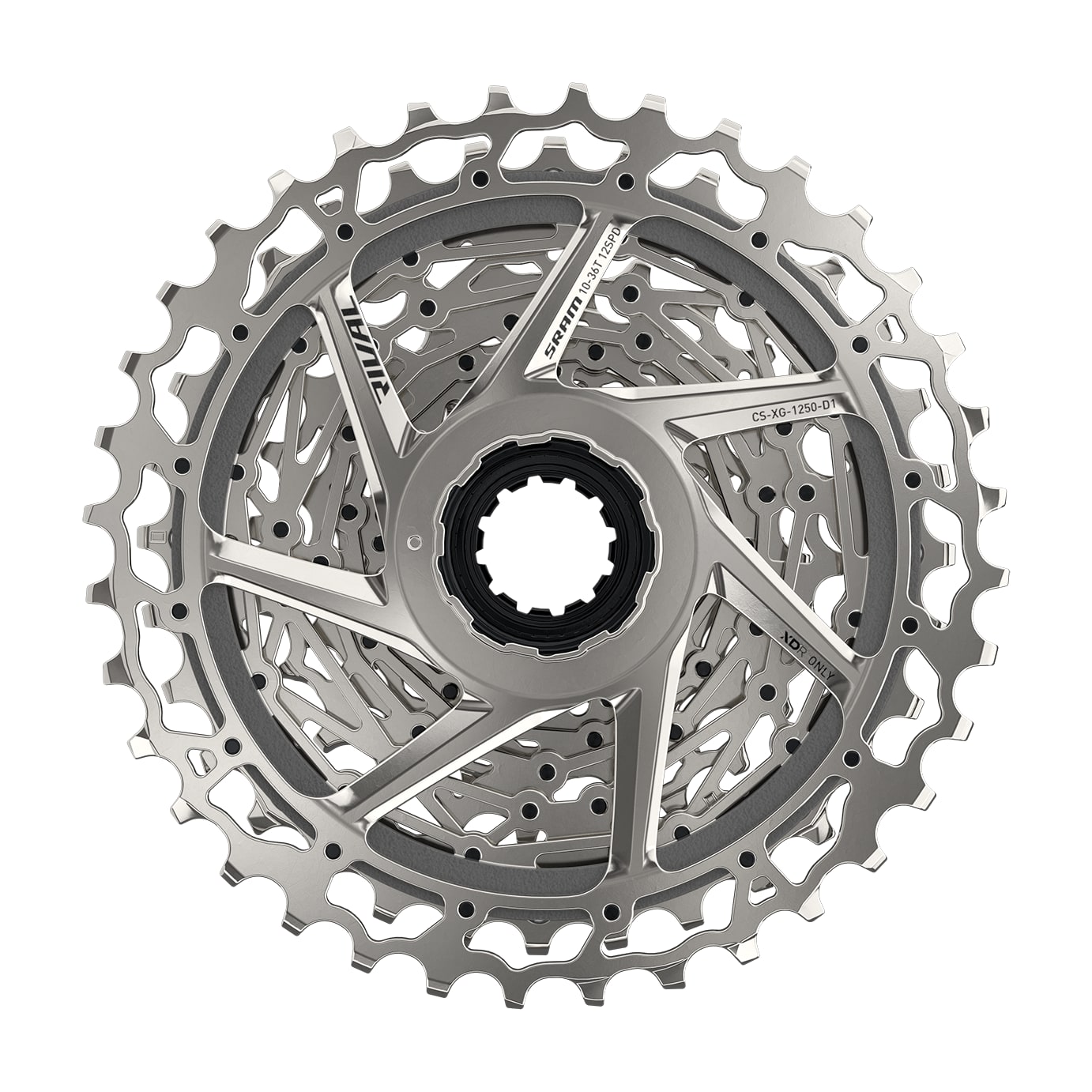
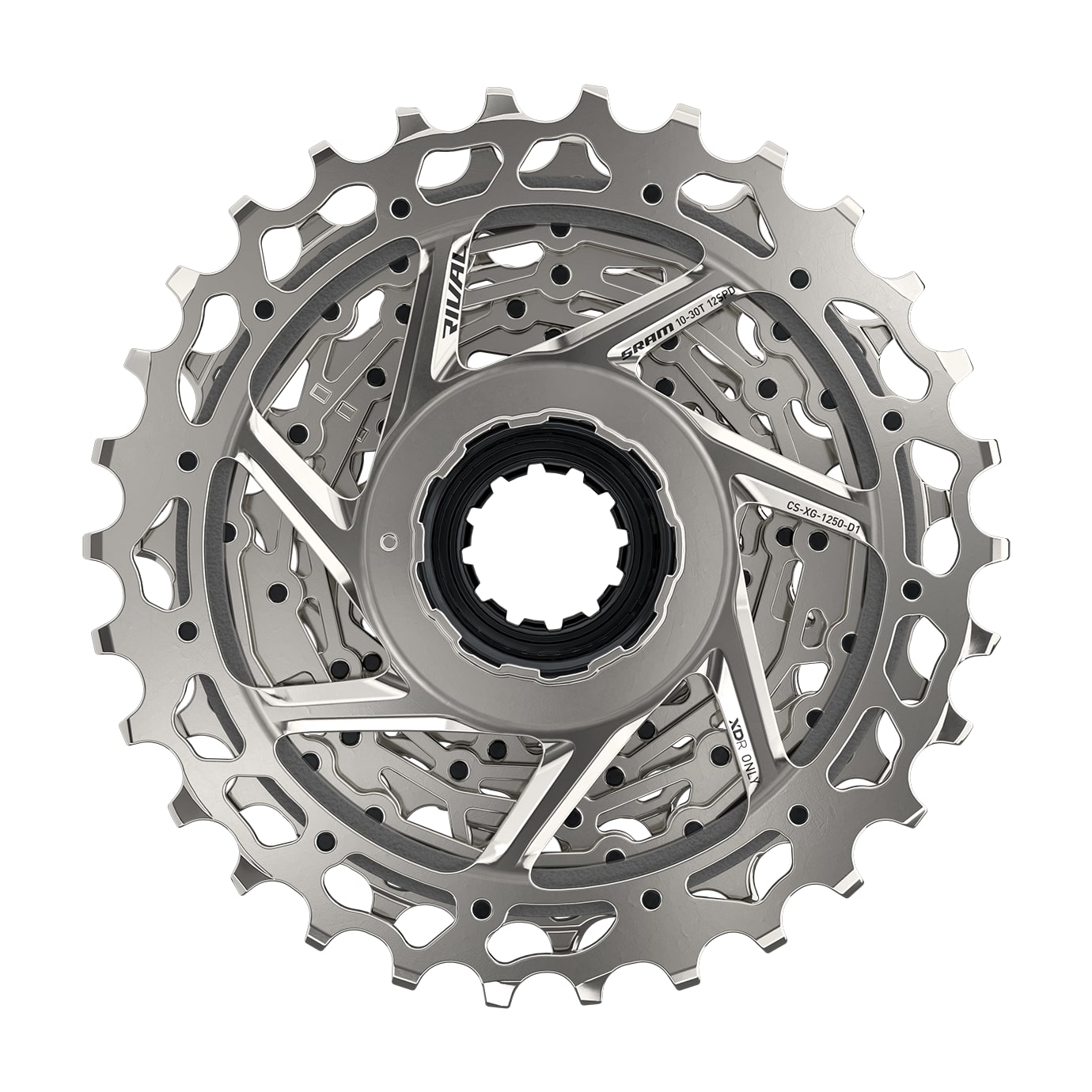
Mostly flat riding? Choose the 10-30 (part 00.2418.116.000). Its cogs run 10-11-12-13-14-15-17-19-21-24-27-30, with the first six stepping up one tooth at a time. On flat training rides along Tolo Harbour, one click finds the right gear whether the wind is with you or against you, and your cadence stays steady instead of hovering between two gears. On a 1x drivetrain with a 40-tooth ring ridden mostly on flat roads, this range is all you need.
Climb often? Choose the 10-36 (part 00.2418.116.001). Its cogs run 10-11-12-13-15-17-19-21-24-28-32-36. On weekend trips up Tai Mo Shan or Fei Ngo Shan, when the slope steepens near the top you still have the 32 and 36 in hand — you can stay seated, hold a higher cadence and spin your way up, instead of standing up and grinding.
One trade-off to know: the 10-36 has no 14-tooth cog. As the cog list shows, the 10-36 jumps straight from 13 to 15. Riders who spend a lot of flat cruising time between 13 and 15 will feel a missing gear there. If you want the tightest possible steps on the flat, the 10-30 — six consecutive cogs from 10 to 15 — is the better choice.
Rival XG-1250 or Force XG-1270?
Both are X-Range 12-speed cassettes on the same XDR driver, running the same Road Flattop chain; the difference is the range choices and the construction:
| Item | SRAM Rival XG-1250 (this page) | SRAM Force XG-1270 |
|---|---|---|
| Level | Rival | Force |
| Ranges | 10-30, 10-36 | 10-28, 10-30, 10-33, 10-36 |
| Construction | FULL PIN: eleven stamped cogs held by 123 stainless steel pins | MINI CLUSTER: four smallest cogs CNC-machined from one block of steel, the remaining eight pinned individually |
| Finish | Nickel-chrome plating | Nickel-chrome plating |
| Speed | 12-speed | 12-speed |
| Driver | XDR | XDR |
| Chain | SRAM Road Flattop D1 / E1 | SRAM Road Flattop D1 / E1 |
SRAM describes the Force's MINI CLUSTER construction as reducing weight and increasing durability; SRAM publishes no weight for the Rival, so we do not compare gram figures. Both cassettes share the same nickel-chrome finish.
A cassette is a wear part, so Rival is the smart pick for a second wheelset: the same X-Range 12-speed concept, the same XDR driver and the same Road Flattop chain. Rival does not come in 10-33. If you want 10-33 or 10-28, take a look at the Sram Force XG-1270 Cassette CS-XG-1270-D1, which offers more range choices.
Who the SRAM Rival XG-1250 suits
- Riders whose bike came with a 10-30 and who stand up to grind up weekend climbs: with the 10-36, Tai Mo Shan and Fei Ngo Shan can be ridden seated at a steady cadence.
- Road riders on mostly flat routes: the 10-30 keeps steps close and your cadence steady on Tolo Harbour training rides; with a 40-tooth ring on 1x it covers everyday riding.
- Riders adding a second wheelset: fit a matching cassette on race wheels or a trainer wheel and swap wheels without touching a cassette tool.
- Riders whose worn cassette skips as soon as a new chain goes on: a fresh cassette with a fresh chain brings shifting back to accurate.
- Gravel 1x riders: XPLR derailleurs support 10-36, so a second road wheelset with this cassette covers weekday tarmac and weekend gravel.
Before you install: XDR driver and Flattop chain
This cassette needs two things to work:
- An XDR driver. XDR is 1.85 mm longer than the mountain-bike XD standard and is made for road hubs. An HG driver has no adapter that creates XDR, so the cassette does not mount directly — but many hubs can swap their HG driver for an XDR one (all Zipp wheels from 2012 onwards are XDR-ready, for example); it depends on the hub brand and model. An XD driver is 1.85 mm shorter than XDR and does not take this cassette either. The other way round works: an XDR driver accepts XD cassettes with a 1.85 mm spacer.
- A SRAM Road Flattop D1 or E1 chain — the Sram Rival Chain CN-RIV-D1 is a match. Shimano 12-speed chains and SRAM Eagle mountain chains are not compatible.
Official SRAM video "SRAM Road: HG to XDR Driver Body Conversion" (SRAM TECH channel): converting a hub from an HG driver to an XDR driver; compatibility depends on the hub brand and model.
Derailleur capacity and chain length
The 36-tooth cog needs a derailleur rated for 36 teeth. According to SRAM's official compatibility data:
- The Rival eTap AXS rear derailleur is rated to 36 teeth (MAX 36) and takes the 10-36 directly.
- The latest-generation Force AXS rear derailleur is also officially rated to 36 teeth.
- Previous-generation Red / Force eTap AXS rear derailleurs without a "MAX 36T" marking are officially limited to 33 teeth, and the B-adjust screw cannot be set to clear a 36-tooth cassette.
- XPLR eTap AXS rear derailleurs (Rival, Force and Red XPLR) support 10-36 — good news for gravel bikes swapping to a road wheelset.
Moving from 10-30 to 10-36, SRAM says you will likely need a longer chain — the Sram Rival Chain CN-RIV-D1 is a match — and the B-gap between derailleur and cassette has to be reset for the larger cassette. If you have any questions, feel free to contact us via WhatsApp or our enquiry page.
Installation and care
Installation: slide onto the XDR driver, lockring tightened to 40 N·m
The cassette slides onto the XDR driver and is secured by the lockring. According to the SRAM cassette manual, the lockring torque for XDR installation is 40 N·m, using a lockring tool with a guide pin, with grease applied to the driver threads first.
Official SRAM video "SRAM: XD and XDR Driver Body Cassette Installation" (SRAM TECH channel): fitting an XDR cassette onto an XDR driver.
Care: the chain decides how long the cassette lasts
A cassette is a wear part, but how long it lasts largely depends on the chain. SRAM's official guidance: replace the chain only when an approved gauge shows 0.8% wear — replacing it too early actually accelerates wear on other parts; replace the chain on time, and a cassette will typically outlast three chains or more; if a new chain skips under hard pedalling, the cassette is due for replacement. A worn chain wears a new cassette faster, so check the chain whenever you change the cassette.
Full specifications
| Item | Specification |
|---|---|
| Brand | SRAM |
| Model | CS-XG-1250-D1 |
| Speed | 12-speed |
| Range 10-30 | 10-11-12-13-14-15-17-19-21-24-27-30 (part 00.2418.116.000) |
| Range 10-36 | 10-11-12-13-15-17-19-21-24-28-32-36 (part 00.2418.116.001) |
| Weight | Not officially published (third-party measured: about 343 g for 10-36; about 283 g for 10-30) |
| Driver | XDR |
| Colour / finish | Silver (nickel-chrome plating) |
| Chain | SRAM Road Flattop D1 / E1 |
| Construction | FULL PIN (eleven stamped cogs, 123 high-strength stainless steel pins) |
| Drivetrain | 1x and 2x |
Specification source: SRAM official product data
FAQ
How do I choose between the 10-30 and 10-36?
Choose the 10-30 if you ride mostly flat roads, and the 10-36 if you climb often. The 10-30 runs six consecutive cogs from 10 to 15, keeping your cadence steady on the flat, and for a flat-road 1x setup with a 40-tooth ring it covers everyday riding. For long climbs such as Tai Mo Shan, the 36-tooth cog makes the final slopes noticeably easier. Note the trade-off: the 10-36 has no 14-tooth cog and jumps from 13 straight to 15, so if you want the tightest steps on the flat, the 10-30 is the better choice.
What is the difference between the XG-1250 and the XG-1270?
The range choices and the construction. Ranges: the XG-1270 comes in four — 10-28, 10-30, 10-33 and 10-36 — while the Rival XG-1250 comes in 10-30 and 10-36; Rival does not offer 10-33, so if you want that range, see the Sram Force XG-1270 Cassette CS-XG-1270-D1. Construction: the Force uses MINI CLUSTER — its four smallest cogs are CNC-machined from one block of steel and the remaining eight are pinned individually — while the Rival is FULL PIN, eleven stamped cogs held by 123 stainless steel pins. Both share the same nickel-chrome finish.
How much does the XG-1250 weigh?
SRAM does not publish an official weight for this cassette. Third-party measured weights for reference: about 343 g for the 10-36 (weighed in a professional review) and about 283 g for the 10-30 (weighed by an overseas bike retailer). These are not official figures, and actual weight may vary slightly from piece to piece.
Can the SRAM Rival XG-1250 fit a Shimano HG driver?
This cassette fits only XDR drivers. An HG driver has no adapter that creates XDR, so the cassette does not mount directly — but many hubs can swap their HG driver for an XDR one, depending on the hub brand and model; all Zipp wheels from 2012 onwards are XDR-ready, for example.
Can an XD driver take the XG-1250?
This cassette fits only XDR drivers. An XD driver is 1.85 mm shorter than XDR and does not take it. The reverse does work: an XDR driver accepts XD cassettes with a 1.85 mm spacer.
Which chain does the XG-1250 need?
It needs a SRAM Road Flattop D1 or E1 chain. Shimano 12-speed chains and SRAM Eagle mountain chains are not compatible. The Sram Rival Chain CN-RIV-D1 on our site is a match.
Will my rear derailleur work with the 10-36?
It depends on its rating. The Rival eTap AXS derailleur is rated to 36 teeth and takes the 10-36 directly; the latest-generation Force AXS derailleur is also officially rated to 36 teeth; previous-generation Red / Force eTap AXS derailleurs without a "MAX 36T" marking are officially limited to 33 teeth, and the B-adjust screw cannot clear a 36-tooth cog; XPLR eTap AXS derailleurs support 10-36. Moving from 10-30 to 10-36, SRAM says you will likely need a longer chain, and the B-gap has to be reset.
Does it work with 1x and 2x drivetrains?
Yes, both. SRAM lists the XG-1250 for 1x and 2x drivetrains in its official specifications.
How is the cassette installed, and what should I watch for?
The cassette slides onto the XDR driver and is secured by the lockring. According to the SRAM cassette manual, the lockring torque for XDR installation is 40 N·m, using a lockring tool with a guide pin, with grease applied to the driver threads first. A worn chain also wears a new cassette faster, so check the chain when you change the cassette.
How do I make the cassette last?
The chain is the key — follow SRAM's official guidance on three points: replace the chain when an approved gauge shows 0.8% wear, because replacing it too early accelerates wear on other parts; replace the chain on time, and a cassette will typically outlast three chains or more; and if a new chain skips under hard pedalling, it is time to replace the cassette.
Specifications and components follow the manufacturer's latest release and may change without notice. If in doubt, please contact us to confirm before ordering.
Last updated: October 2026


